
Table of contents
- The Exercise-Endocannabinoid Connection ›
- What the Research Actually Shows ›
- THCa vs. CBD for Athletic Recovery: The Key Differences ›
- How to Use THCa Products in an Athletic Recovery Routine ›
- Specific Product Recommendations for Athletes ›
- Important Cautions for Athletes ›
- Frequently Asked Questions ›
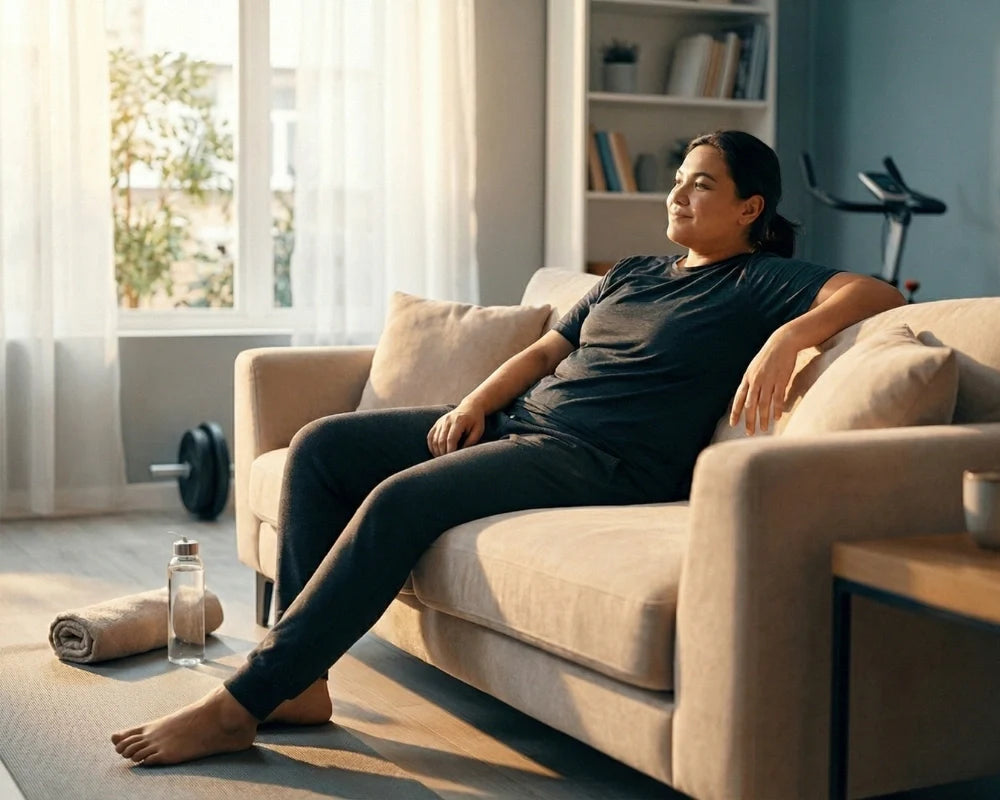
Professional athletes, Olympic competitors, weekend warriors, and gym regulars are increasingly turning to cannabis and hemp products for post-workout recovery. A Kent State University survey published in the Journal of Cannabis Research found that among regular cannabis users who exercise, the most common motivations were muscle soreness reduction, inflammation management, sleep improvement, and pain relief. This isn't fringe wellness behavior — it reflects a growing body of research and a significant cultural shift in how active people think about recovery tools.
This article covers the science behind cannabis and athletic recovery, what THCa specifically contributes, the important distinctions between performance and recovery use, and practical guidance for active people thinking about incorporating hemp flower or gummies into their routine.
Important disclaimer: This article is for educational and informational purposes only. THCa hemp products are not approved by the FDA to diagnose, treat, cure, or prevent any injury, condition, or disease. Hemp flower is not a substitute for proper sports medicine, physiotherapy, or medical care for athletic injuries. Competitive athletes should review anti-doping regulations applicable to their sport before using any THC-containing product — THC remains on the WADA prohibited list during competition. Must be 21+. Consult a healthcare provider before use.
The Exercise-Endocannabinoid Connection
Before getting to how THCa products fit into athletic recovery, it's worth understanding a compelling biological starting point: the endocannabinoid system is directly involved in exercise itself.
What's commonly described as the "runner's high" — the euphoric, analgesic state that follows sustained aerobic exercise — has been increasingly attributed by neuroscience researchers to endocannabinoid release, not just endorphins as was once assumed. During sustained exercise, the body produces anandamide and 2-AG (its own endogenous cannabinoids), which bind to CB1 receptors in the brain and peripheral nervous system, producing mood elevation, pain tolerance, and the rewarding sensation that makes endurance exercise feel good.
This means the ECS is not just a system that cannabis interacts with — it's a system that exercise itself activates. The analgesic, anti-inflammatory, and mood-modulating effects of THCa products in a recovery context operate through the same receptor networks that exercise engages. This biological overlap is part of why cannabis and athletic recovery have such an intuitive connection for many athletes.
What the Research Actually Shows
The honest scientific picture on cannabis and athletic recovery is encouraging in some areas and genuinely uncertain in others. Understanding both matters.
Anti-inflammatory and analgesic effects
The best-supported mechanisms are anti-inflammatory and analgesic. Both CBD and activated THC (from THCa) have documented CB1 and CB2 receptor-mediated anti-inflammatory effects. THCa specifically also operates through PPARγ activation and COX-1/COX-2 inhibition — the same enzyme pathways targeted by common OTC anti-inflammatory drugs. Exercise-induced muscle damage triggers an inflammatory response (the mechanism behind DOMS — delayed onset muscle soreness), and reducing the magnitude or duration of that inflammatory response is a core recovery goal.
Research from a Kent State survey found that 85% of participants were using cannabis products specifically to aid exercise recovery — with pain reduction being the most commonly reported reason. A study in the Journal of Sport and Exercise Psychology found that cannabis may help athletes manage pain and reduce the risk of re-injury during recovery. An Israeli clinical trial found that low doses of inhaled THC (as low as 0.5–1mg) significantly reduced pain intensity for up to 150 minutes without cognitive impairment — which has direct implications for post-workout recovery applications.
Sleep and recovery quality
Sleep is where the cannabis-athletic recovery relationship has the strongest research support. Deep, restorative sleep is the primary window during which muscle protein synthesis, hormone release (growth hormone peaks during slow-wave sleep), and tissue repair occur. Disrupted or insufficient sleep is one of the most significant obstacles to athletic recovery and adaptation.
As covered in more detail in our THCa and Sleep post, a 2025 meta-analysis in Sleep Medicine Reviews found that cannabinoid formulations containing THC were associated with significant improvements in subjective sleep quality versus placebo. The 2025 PLOS Mental Health longitudinal study found sustained insomnia improvements over 18 months in cannabis users. For athletes who struggle with post-competition or post-hard-training insomnia (a genuinely common phenomenon, particularly for high-intensity athletes), indica-dominant THCa products used in the evening may meaningfully support the sleep quality that makes recovery possible.
Muscle soreness: the honest nuance
Direct evidence for cannabis reducing DOMS (delayed onset muscle soreness) specifically is more limited than the broader anti-inflammatory and pain data. A 2024 randomized controlled trial on CBD specifically found no significant reduction in DOMS markers — though this was for a CBD product, not THC or THCa. The pain perception data for THC is more favorable than for CBD alone. Athletes surveyed in the Kent State study who were using THC-containing products reported more consistent subjective soreness relief than those using CBD alone, which aligns with the 2025 Sleep Medicine meta-analysis finding that THC formulations outperformed CBD-only products.
What cannabis doesn't do for performance
A consistent finding in exercise science research is that cannabis does not enhance athletic performance. Systematic reviews have found that activated THC does not improve aerobic capacity, strength output, VO2max, or time to exhaustion. A University of Sydney randomized controlled trial found that both 50mg and 300mg doses of CBD produced no change in heart rate, exercise efficiency, or time to exhaustion during endurance exercise. Cannabis is a recovery tool, not a performance enhancer — and athletes should have accurate expectations about this.
THCa vs. CBD for Athletic Recovery: The Key Differences
| THCa (smoked/vaped) | CBD products | |
|---|---|---|
| Psychoactive | Yes — not suitable for pre-workout or during training | No — can be used any time including before training |
| Sleep support | Strong — especially indica strains; backed by 2025 meta-analysis | Mild — same 2025 meta-analysis found CBD alone not statistically significant vs placebo |
| Pain relief | Good evidence for analgesic effects at low doses; better than CBD alone in research | Mixed — Journal of Pain (2024) cautioned CBD pain products are "expensive and ineffective" |
| Anti-inflammatory | Strong preclinical evidence (PPARγ, COX, CB2); THCa-specific data encouraging | CB2-mediated; well-studied; evidence for topical anti-inflammatory application |
| Drug test risk | High — THC metabolites will appear on standard tests | Low (isolate) to slight risk (full-spectrum) |
| WADA/competition status | Prohibited during competition | CBD removed from WADA prohibited list; THC contamination risk in full-spectrum products |
How to Use THCa Products in an Athletic Recovery Routine
The key principle for athletes using THCa products is timing. These are recovery tools — used after training, in the evening, or on rest days — not pre-workout or intra-workout aids.
Post-training wind-down (1–3 hours after hard sessions)
After a demanding training session, the primary recovery priorities are: rehydrate, refuel with protein and carbohydrates, begin the parasympathetic recovery shift (moving from sympathetic "fight or flight" to rest-and-repair mode). A modest amount of an indica-dominant THCa product in this window can support the transition into parasympathetic recovery — reducing cortisol-driven alertness, easing physical tension, and helping shift mental focus away from training. This isn't about getting high; it's about using a moderate dose (1–3 draws from a Northern Lights or Gorilla Glue) to support the physiological shift your body needs to start repairing.
Evening recovery and sleep preparation
This is the highest-value application for THCa products in athletic recovery. Poor sleep is arguably the single biggest obstacle to athletic adaptation — training creates the stimulus for adaptation, but sleep is where adaptation actually occurs. Using a Frosty OG, Ice Cream Cake, or Berry Kush gummy (or a Northern Lights vape) 1–2 hours before bed can support the deep, restorative sleep that makes the next day's training quality higher.
Rest day relaxation and tension release
For athletes carrying chronic physical tension, muscle tightness, or general physical accumulation from a heavy training block, rest days can benefit from moderate THCa use earlier in the evening — when there's no next-day training to protect. This is where slightly more generous doses are appropriate, since the recovery window is longer and you're not managing readiness for an upcoming session.
Specific Product Recommendations for Athletes
For post-training recovery and sleep: Frosty OG exotic (potent indica, deep body relaxation), Ice Cream Cake indoor (indica hybrid, linalool-forward for anxiety and tension release), Northern Lights vape (classic indica profile, sedative terpenes, fast onset).
For rest day relaxation: Berry Kush Natural Resin gummies (longer-lasting, deep indica effect, ideal for full rest-day recovery), Gorilla Glue greenhouse (body-heavy, relaxing, great value).
For light recovery without full sedation (hard training tomorrow): Purple Runtz vape or hybrid greenhouse strains at low doses — balanced effects, less likely to produce the heavy sedation that might interfere with next-morning readiness.
Important Cautions for Athletes
Smoking and respiratory health
Smoking combusted hemp flower produces many of the same respiratory byproducts as tobacco smoke — including tar and particulates associated with chronic bronchitis risk. For athletes with any respiratory focus (endurance sports, swimming, cycling), vaping or gummies are significantly healthier consumption routes than smoking. The cannabinoids and effects are equivalent; the lung exposure is substantially lower with a quality dry herb vaporizer or a vape pen.
Anti-doping regulations
THC remains on the World Anti-Doping Agency (WADA) prohibited list during competition (it was removed from the out-of-competition list in 2023). Many national federations, collegiate athletics programs (NCAA), and professional leagues (NFL, MLB, NBA, NHL — policies vary) have their own THC testing and prohibition policies that may differ from WADA standards. Any competitive athlete in a tested sport must review their specific federation's drug testing policy before using any THCa or THC-containing product. Hemp flower will produce a positive THC test regardless of the "hemp" legal classification.
Pre-workout and competition use
Do not use THCa products before training or competition. Activated THC impairs reaction time, coordination, and short-term memory — all of which are relevant to athletic performance and injury risk. Cannabis is a post-training and recovery tool, not a pre-workout product.
Frequently Asked Questions
Can THCa flower replace ice baths or NSAIDs for recovery?
Current evidence doesn't support replacing evidence-backed recovery modalities with cannabis. Cold water immersion has strong research support for reducing pro-inflammatory cytokines and improving perceived recovery. NSAIDs have documented efficacy for acute inflammation. THCa products are a complementary addition to a recovery toolkit, not a replacement for established methods. Many athletes combine multiple approaches — ice, massage, sleep optimization, and cannabis for evening wind-down — rather than choosing one.
How long before bed should I use THCa for sleep recovery?
For smoked or vaped flower and vapes: 1–2 hours before target sleep time. Effects peak at 20–40 minutes and begin winding down by 90 minutes. For gummies: 2–3 hours before sleep, as onset is significantly slower through digestion.
Is vaping THCa flower better than smoking it for athletic use?
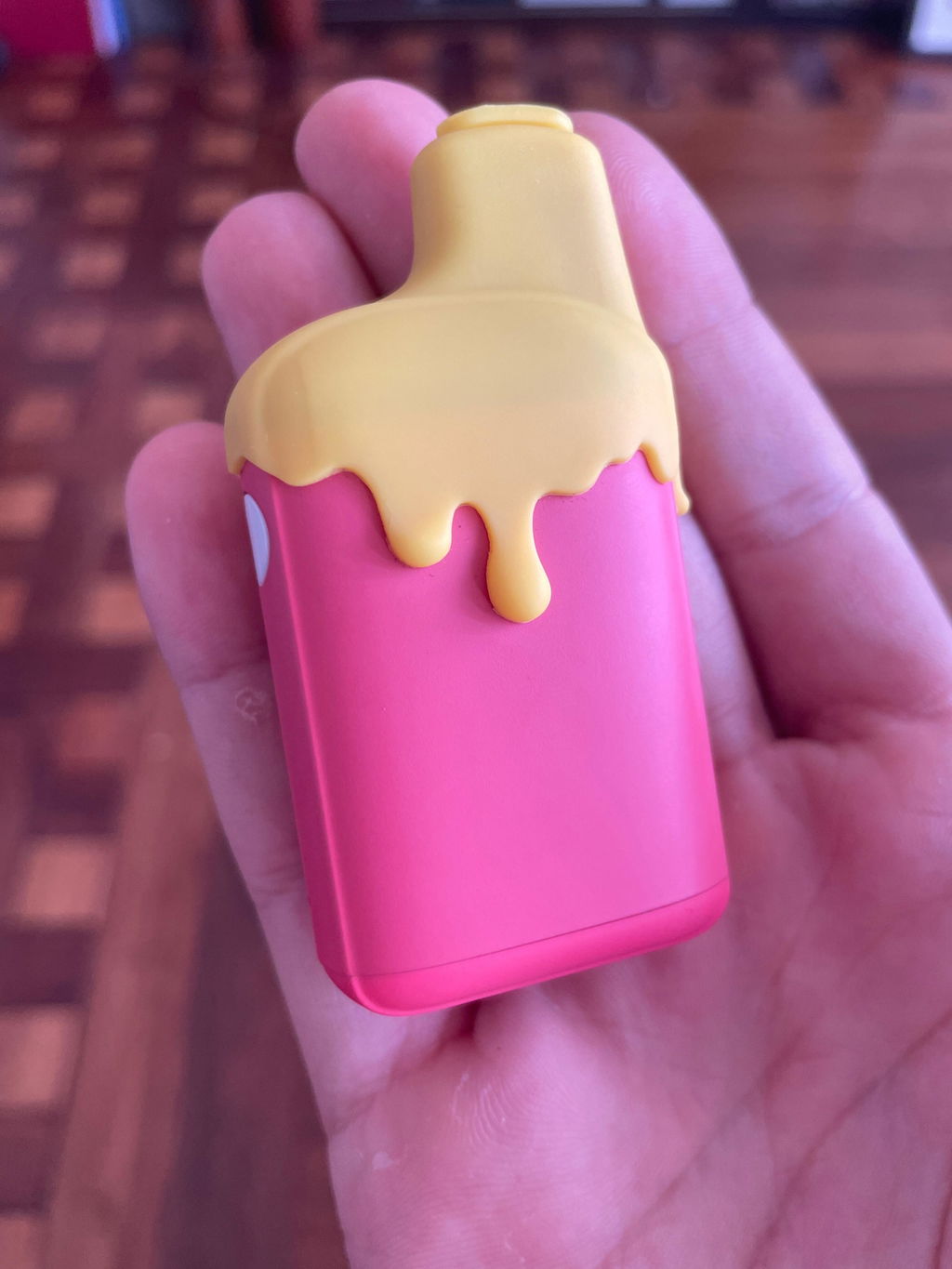
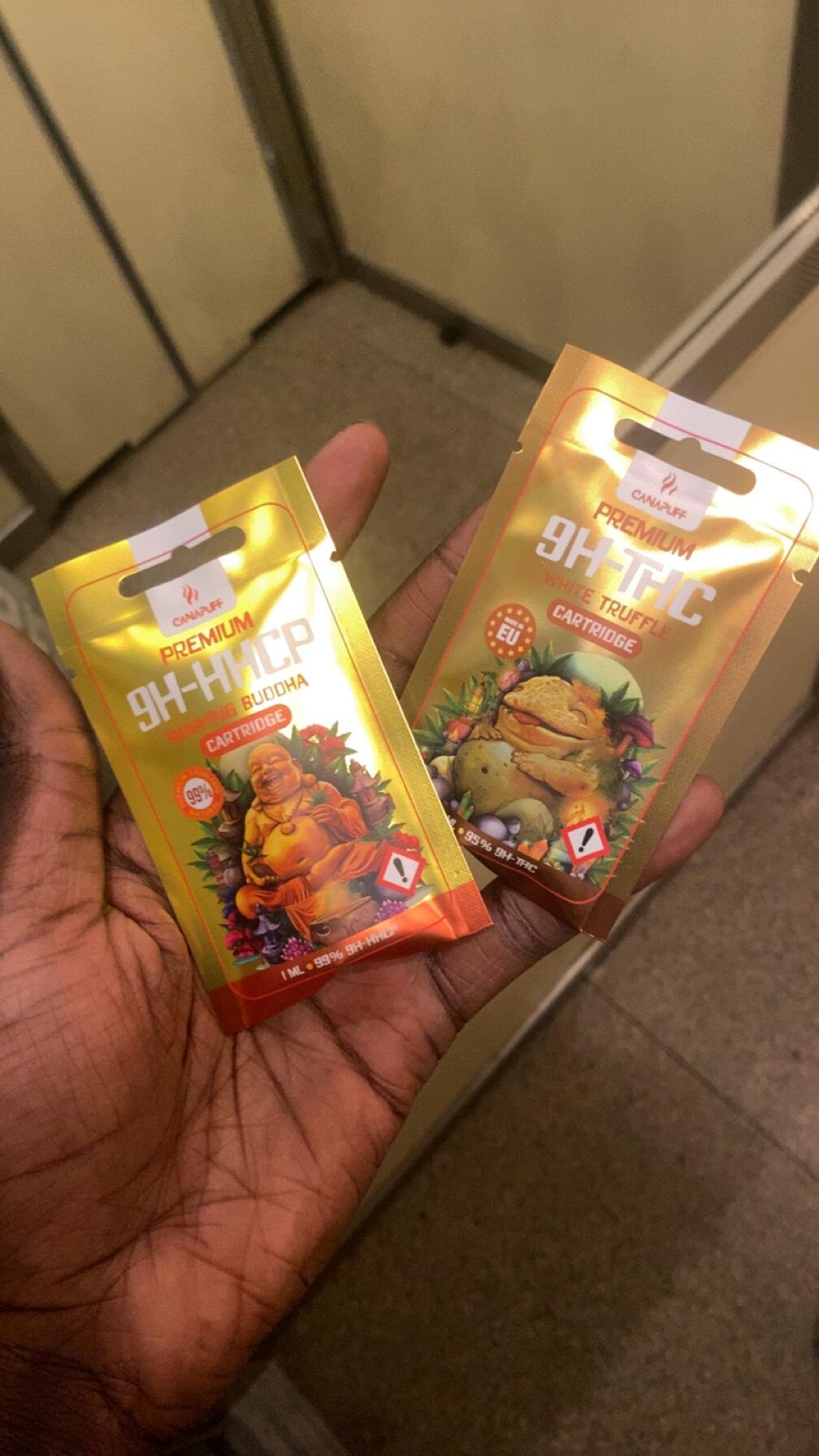
For athletes specifically, yes — vaping is preferable from a respiratory health standpoint. Combustion produces significantly more lung-irritating compounds than vaporization. The cannabinoid and terpene delivery is comparable, and for athletes who need to protect their lung function, a quality dry herb vaporizer or a THCa oil vape pen like Canapuff's disposable line represents a meaningfully healthier consumption route than combustion.
This article is for general educational and informational purposes only and does not constitute medical advice. All Canapuff hemp products contain less than 0.3% delta-9 THC. These statements have not been evaluated by the Food and Drug Administration. This product is not intended to diagnose, treat, cure, or prevent any disease or injury. Competitive athletes in tested sports should review anti-doping regulations before use. Must be 21+ to purchase. Not available in HI, ID, MN, OR, RI, UT, or VT.
Leave a comment
This site is protected by hCaptcha and the hCaptcha Privacy Policy and Terms of Service apply.