
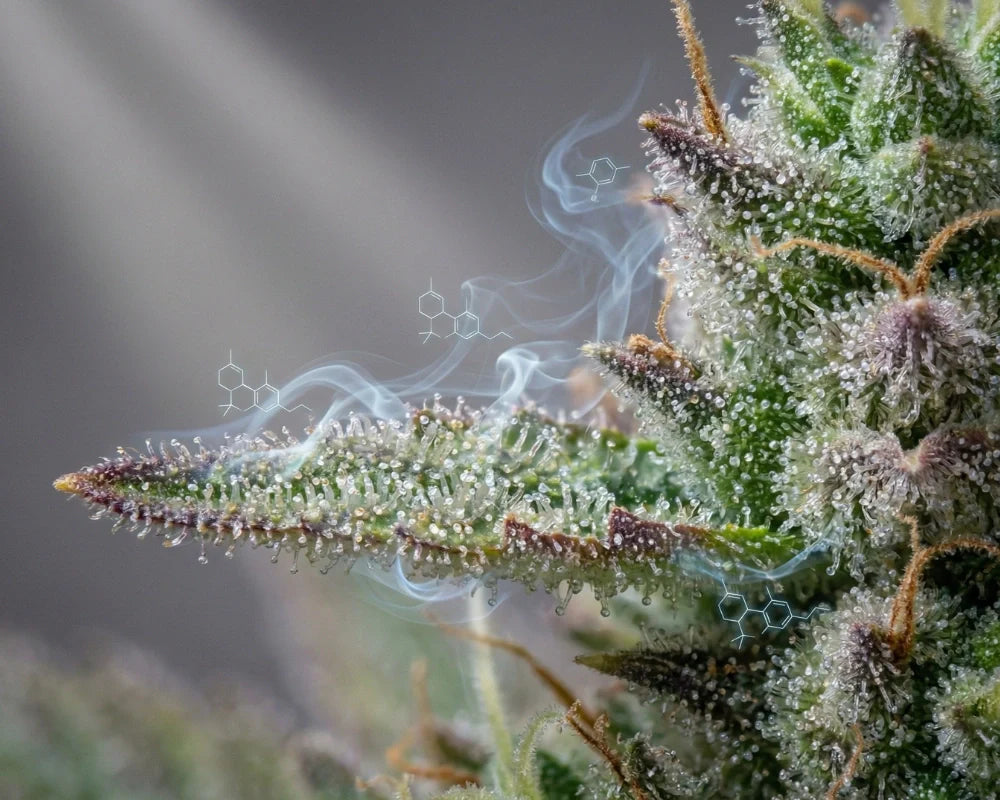
You've probably noticed that two THCa strains with almost identical percentages can feel completely different. One puts you on the couch. The other sharpens your focus. One tastes like fresh citrus, another like pine and diesel. The reason isn't the THCa — it's the terpenes. Understanding terpenes is the single biggest upgrade you can make to how you choose and enjoy cannabis products.
Quick Answer: Terpenes are the naturally occurring aromatic compounds produced in the resin glands of hemp and cannabis plants. They create each strain's unique smell and flavor — and they actively shape the effects you feel by interacting with THC, CBD, and your body's endocannabinoid system. Terpene profile, not just THCa percentage, is what separates strains that feel energizing from ones that make you melt into the sofa.
What Are Terpenes?
Terpenes are organic aromatic compounds found in virtually all plants — they're what makes lavender smell like lavender, lemons smell citrusy, and pine forests smell like pine. Over 20,000 terpenes exist in nature. Cannabis and hemp alone contain more than 200 identified terpenes, with each strain having its own unique combination and ratio.
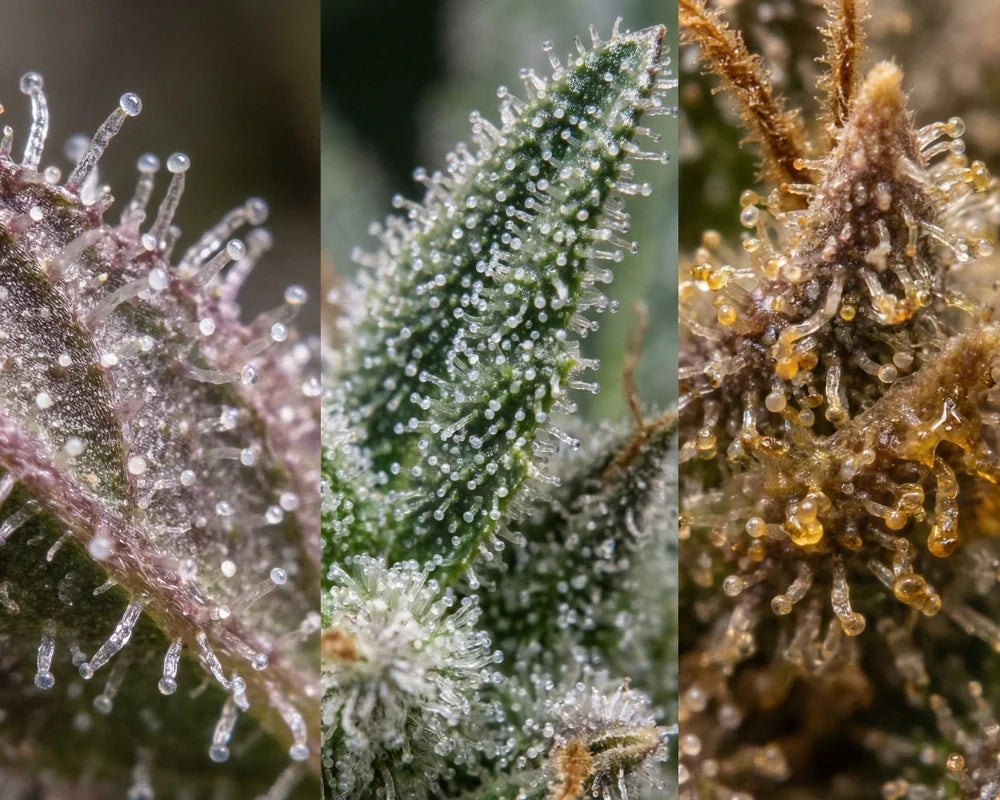
In the hemp plant, terpenes are produced in the same trichomes — those frosty, crystal-like structures on the surface of the flower — that also produce THCa and other cannabinoids. This is why high-quality, trichome-rich flower tends to have both higher potency and more pronounced aroma and flavor. The two are produced in the same place.
Evolutionarily, plants developed terpenes to attract pollinators, repel predators, and protect against environmental stress. For cannabis consumers, they've become one of the most important tools for understanding what a strain will actually feel like before you try it.
How Terpenes Affect Your Experience
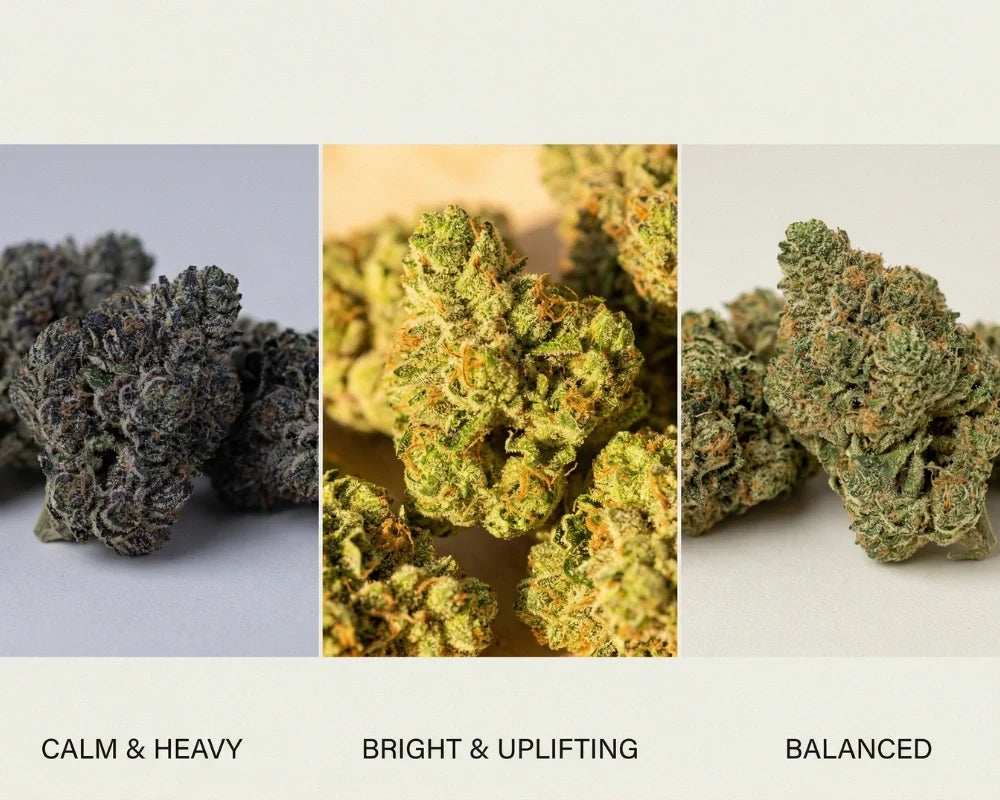
For a long time, the cannabis industry classified strains by indica, sativa, or hybrid — suggesting those categories reliably predicted effects. The science has since moved beyond this. A 2025 review of cannabis research concluded that terpene profile is a far more accurate predictor of effect than plant morphology or the indica/sativa label.
A myrcene-dominant strain — whether labeled sativa or indica — will tend toward sedating, body-heavy effects. A limonene-dominant strain will trend uplifting and mood-elevating regardless of its label. The terpenes are doing the work that the labels were trying to describe.
The entourage effect
Terpenes don't just create aroma — they interact directly with cannabinoids and your body's endocannabinoid system. This synergy is known as the entourage effect: the principle that all the compounds in the plant — THCa, minor cannabinoids, and terpenes — work better together than any single compound in isolation.
For example, myrcene may help THC cross the blood-brain barrier more efficiently, potentially intensifying and speeding up onset. Pinene may partially counteract THC-related short-term memory effects. Beta-caryophyllene interacts directly with CB2 receptors — making it the only terpene currently known to also function as a cannabinoid. These aren't minor details. They shape the entire character of the experience.
The takeaway: Choosing cannabis by THCa% alone is like choosing wine by alcohol content. The terpene profile gives you the full picture of what a strain will smell like, taste like, and — most importantly — how it will feel.
The Most Important Cannabis Terpenes
There are hundreds of terpenes in cannabis, but a handful appear consistently across strains and have the most documented influence on effect. Here are the ones you'll encounter most often on lab reports and product pages.
Myrcene
Aroma: Earthy, musky, herbal — like cloves or mango.
Effects: Sedating, relaxing, body-heavy. The classic "couch-lock" terpene. Research suggests strains with myrcene above 0.5% produce significantly more sedative effects than those below that threshold.
Found in: Mangoes, hops, lemongrass, thyme.
Common strains: Gorilla Glue, Ice Cream Cake, most Indica-dominant cultivars.
Best for: Evening use, unwinding, sleep support.
Limonene
Aroma: Bright citrus — lemon, orange, grapefruit.
Effects: Uplifting, mood-elevating, energizing. Associated with stress reduction and focus. Limonene activates TRP channels in the brain linked to mood and stress regulation.
Found in: Citrus rinds, juniper, peppermint.
Common strains: Lemon Cherry Gelato, Sour Tangie, Sour Diesel strains.
Best for: Daytime use, creative work, social situations.
Caryophyllene (Beta-Caryophyllene)
Aroma: Spicy, peppery, woody — like black pepper or cloves.
Effects: Anti-inflammatory, tension relief, stress management. Uniquely, beta-caryophyllene is the only terpene known to directly bind to CB2 receptors in the endocannabinoid system — giving it cannabinoid-like activity in addition to its terpene properties.
Found in: Black pepper, cloves, rosemary, hops.
Common strains: Jealousy, Purple Runtz, OG-leaning hybrids.
Best for: Physical relaxation, tension relief, evening hybrid use.
Pinene (Alpha & Beta-Pinene)
Aroma: Fresh pine, earthy forest.
Effects: Mental clarity, alertness, focus. Research suggests pinene may partially counteract THC-induced short-term memory impairment, helping maintain a clearer head during a high. Often described as making the experience feel more functional.
Found in: Pine needles, rosemary, basil, dill.
Common strains: Green Crack, Space Junky, many Sativa-dominant strains.
Best for: Daytime use, focus sessions, outdoor activities.
Linalool
Aroma: Floral, lavender, slightly sweet.
Effects: Calming, anxiolytic, sleep-supportive. Linalool is widely studied for its anti-anxiety effects and is the dominant compound in lavender essential oil that has long been used in aromatherapy for relaxation.
Found in: Lavender, mint, coriander, cinnamon.
Common strains: Indica-heavy cultivars, Northern Lights-lineage strains.
Best for: Anxiety relief, winding down, sleep.
Humulene
Aroma: Earthy, woody, hoppy — similar to beer hops.
Effects: Anti-inflammatory, appetite-suppressing (unusual among cannabis-related compounds), physical relief. Often pairs with caryophyllene in strains with strong body effects.
Found in: Hops, ginseng, cloves, sage.
Common strains: Sour Diesel, Gorilla Glue, Frosty OG.
Best for: Physical relaxation without stimulating appetite.
Terpinolene
Aroma: Floral, herbal, slightly piney and citrusy — complex and hard to pin down.
Effects: Mildly uplifting, clear-headed, slightly energizing. Often described as producing a more social, active effect compared to myrcene-heavy strains.
Found in: Apples, lilacs, nutmeg, cumin.
Common strains: Hybrid daytime strains, some Sativa-leaning cultivars.
Best for: Social settings, lighter daytime sessions.
Terpene Quick Reference
| Terpene | Aroma | Effect direction | Best time |
|---|---|---|---|
| Myrcene | Earthy, mango | Sedating, body-heavy | Evening / night |
| Limonene | Citrus, lemon | Uplifting, mood boost | Morning / daytime |
| Caryophyllene | Spicy, pepper | Tension relief, anti-inflammatory | Anytime |
| Pinene | Pine, fresh | Focus, mental clarity | Daytime |
| Linalool | Floral, lavender | Calming, anti-anxiety | Evening / night |
| Humulene | Earthy, hoppy | Physical relief, no appetite boost | Anytime |
| Terpinolene | Floral, herbal | Clear-headed, social | Daytime / social |
How to Use Terpenes When Choosing a Strain
Most quality THCa products — especially flower — will include a Certificate of Analysis (COA) from a third-party lab that lists the dominant terpenes detected in that batch. Here's how to apply that information:
- Want to relax and sleep? Look for strains high in myrcene and linalool. These two together are one of the most effective natural combinations for evening use.
- Want focus and creativity? Prioritize strains with limonene and pinene as dominant terpenes. These trend toward mentally clear, energizing experiences.
- Want physical relief without sedation? Caryophyllene and humulene are your targets — body-oriented effects without the heavy sedation of myrcene.
- Want a balanced social high? Look for hybrid profiles with limonene and terpinolene — uplifting but not overwhelming.
Why Terpenes Degrade — And What to Do About It
Terpenes are volatile compounds — they evaporate easily, especially when exposed to heat, light, or air. This is why freshly cured, properly stored flower smells dramatically different from a bag that's been sitting open for a week. The aroma isn't just cosmetic: when it fades, the terpene content is literally leaving the product.
Proper storage is simple but essential: airtight container, cool temperature, away from direct light. Don't grind your flower until you're ready to use it — grinding dramatically increases the surface area exposed to air and accelerates terpene loss. And when vaping, lower temperatures preserve terpenes better than high heat — a vape session at 350°F will retain more aromatic compounds than one at 420°F.
💡 Pro tip: The smell of fresh flower is your best real-world indicator of terpene richness. If you open the bag and the aroma hits you immediately and distinctly — that's a well-preserved terpene profile doing its job. If it smells faint or like hay, the terpenes have degraded regardless of what the label says.
Frequently Asked Questions
Are terpenes safe to inhale?
Terpenes naturally present in cannabis flower are generally considered safe to inhale when smoked or vaped. They are the same compounds found in many foods, herbs, and essential oils. Concerns around terpenes in vaping relate primarily to artificially added synthetic terpene blends in some low-quality vape products — not naturally occurring terpenes in well-tested flower and reputable vape products.
Do gummies contain terpenes?
Live resin gummies — like Canapuff's live resin line — are made from fresh-frozen cannabis extract that preserves the terpene profile of the original plant. This is why live resin products often feel more complex and flavorful than standard gummies made from distillate. Natural resin gummies similarly retain more of the plant's original terpene character than distillate-based products.
Can I smell the terpenes before buying online?
Not directly — but a detailed strain description, a COA listing dominant terpenes, and customer reviews are the next best thing. Looking at the listed terpenes and cross-referencing them with this guide will give you a strong prediction of what a strain will taste and feel like before it arrives.
Do indica and sativa labels predict terpene profiles?
Not reliably. The indica/sativa distinction originally described plant structure and growing characteristics — not terpene profiles. Modern research consistently shows that terpene content is a much better predictor of effect than whether a strain is labeled indica or sativa. Use terpene data when available; use indica/sativa labels only as a rough starting point.
This article is for general informational purposes only and does not constitute legal or medical advice. All Canapuff hemp products contain less than 0.3% delta-9 THC. These statements have not been evaluated by the Food and Drug Administration. This product is not intended to diagnose, treat, cure, or prevent any disease.
Leave a comment
This site is protected by hCaptcha and the hCaptcha Privacy Policy and Terms of Service apply.