
Table of contents
- First: What Is Hemp Flower? ›
- What Is CBD (As a Product)? ›
- The Core Difference: Whole Plant vs. Single Compound ›
- How the Effects Differ ›
- The Wellness Use Cases: Where Each Shines ›
- What About Using Both Together? ›
- Legal Status: Are They the Same? ›
- How to Choose: A Simple Framework ›
- Frequently Asked Questions ›
Walk into any wellness store in the US and you'll see hemp products and CBD products sitting side by side on the same shelf. Search online and the terms overlap constantly. Many people assume hemp flower and CBD are the same thing — or that CBD products and hemp flower products deliver the same experience. They don't. Understanding the real difference between them changes how you shop, what you choose, and what kind of wellness experience you actually get.
This article breaks down the genuine distinctions — the chemistry, the effects, the legal landscape, and the practical wellness applications — so you can make an informed choice between them.
Important disclaimer: This article is for educational purposes only. Neither hemp flower nor CBD products are approved by the FDA to diagnose, treat, cure, or prevent any disease. This is not medical advice. For specific health conditions, consult a qualified healthcare provider.
First: What Is Hemp Flower?
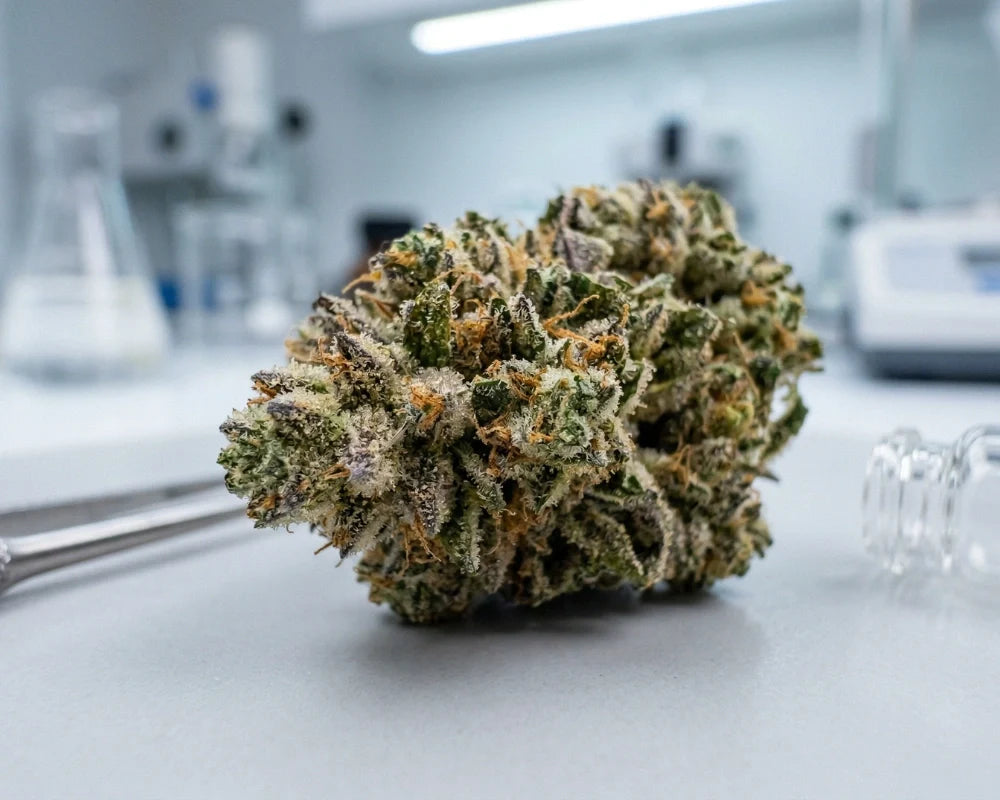
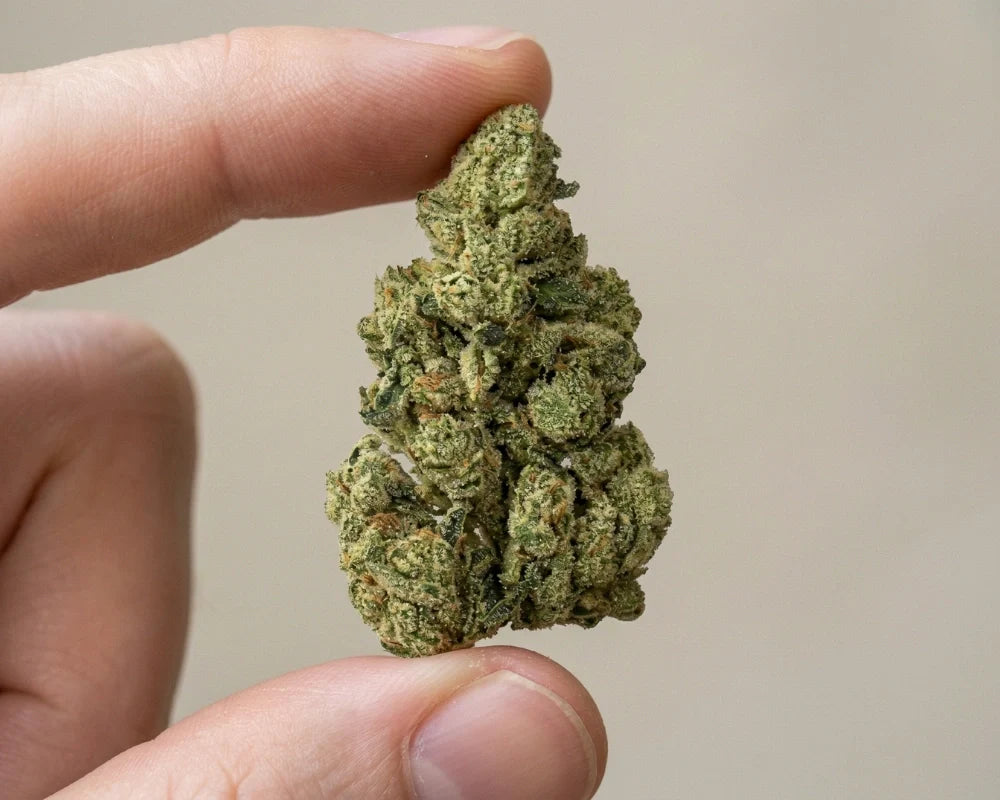
Hemp flower refers to the harvested, dried bud of the female hemp plant — the same physical structure as cannabis flower, from the same species (Cannabis sativa), but bred and legally defined by its cannabinoid content. Under the 2018 Farm Bill, hemp is defined as cannabis containing no more than 0.3% delta-9 THC by dry weight.
Hemp flower is a whole plant product. It contains the full spectrum of cannabinoids, terpenes, and flavonoids the plant produces — including CBD, CBG, CBC, CBN, and in the case of THCa hemp flower, significant concentrations of tetrahydrocannabinolic acid (THCa). It also contains dozens of terpenes that shape the aroma, flavor, and effects. When you smoke or vape hemp flower, you're consuming everything the plant made, not an extracted and isolated compound.
THCa hemp flower — the kind sold by Canapuff — is a specific type of hemp flower bred to produce high levels of THCa (which converts to active THC when heated) while keeping delta-9 THC below the legal 0.3% threshold. This is fundamentally different from CBD-dominant hemp flower, which is bred to maximize CBD and minimize all forms of THC.
What Is CBD (As a Product)?
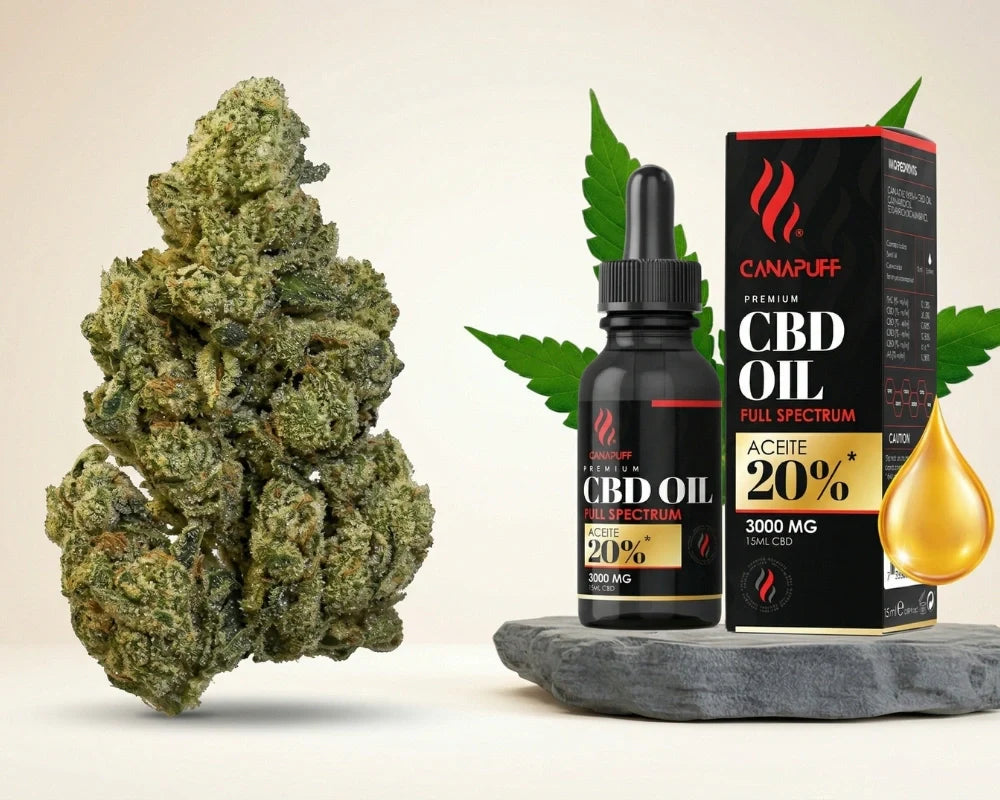
CBD (cannabidiol) is a specific cannabinoid — a single molecular compound — extracted from hemp. When people say "CBD products," they typically mean products built around isolated or concentrated CBD: CBD oil, CBD tinctures, CBD gummies, CBD capsules, and CBD topicals. These products take one cannabinoid out of the plant, concentrate it, and deliver it in a standardized dose format.
CBD products come in three main forms:
- Isolate — Pure CBD only, with all other plant compounds removed. Zero THC. No terpenes.
- Broad-spectrum — CBD plus other cannabinoids and terpenes, but with THC specifically removed.
- Full-spectrum — CBD plus all naturally occurring cannabinoids and terpenes, including trace delta-9 THC (below 0.3%).
The extraction process that creates CBD oil involves stripping the cannabinoid from plant material using CO2, ethanol, or hydrocarbon solvents, then processing it into a carrier oil or consumable form. This is industrially very different from simply harvesting, drying, and curing the flower bud.
The Core Difference: Whole Plant vs. Single Compound
This is the most important distinction to understand, and it's the one that gets lost most often in marketing:
Hemp flower is the whole plant. CBD is one ingredient extracted from that plant. The relationship between them is similar to the difference between eating an orange and taking a Vitamin C tablet. The orange contains Vitamin C — but it also contains fiber, flavonoids, other vitamins, water, and dozens of compounds that interact with each other. The Vitamin C tablet delivers one isolated compound in a controlled dose. Neither is wrong, but they are genuinely different.
In cannabis terms, this matters because of the entourage effect — the well-documented principle that cannabinoids and terpenes work together synergistically, with the combined effect of the whole-plant profile differing meaningfully from any single compound in isolation. Research has found that full-spectrum preparations consistently outperform CBD isolate in studies measuring therapeutic outcomes, suggesting that the terpenes and minor cannabinoids in natural hemp flower play an active role in the experience rather than being inert filler.
How the Effects Differ
| THCa Hemp Flower | CBD Products (oil/gummies/capsules) | |
|---|---|---|
| Primary active compound | THCa → activated THC + full terpene/cannabinoid spectrum | Cannabidiol (CBD), often isolated or partially extracted |
| Psychoactive when used? | Yes — activated THC produces intoxicating effects | No — CBD does not produce a high at any dose |
| Onset and duration | Fast (minutes when smoked/vaped), 1–3 hours | Slower (30–90 min for oils/gummies), longer duration |
| Stress and anxiety | Dose-dependent; low doses reduce anxiety, high doses may increase it | Non-dose-dependent anxiety reduction; no risk of THC-induced anxiety |
| Sleep support | Strong sedative effect (especially indica strains); well-documented | Milder; 2025 meta-analysis found CBD alone had no statistically significant sleep improvement vs placebo |
| Anti-inflammatory | THCa (PPARγ, COX) + activated THC (CB1/CB2); strong preclinical evidence | CB2 receptor modulation, TRP channels; well-studied |
| Drug test risk | Yes — activated THC produces THC metabolites in urine | Low risk with isolate; slight risk with full-spectrum due to trace THC |
| Suitable for daily functional use | Depends on tolerance; not ideal for work hours for most people | Yes — non-intoxicating, can be used any time of day |
The Wellness Use Cases: Where Each Shines
Where THCa hemp flower tends to excel
- Sleep. The sedative effect of indica-dominant THCa flower, driven by both activated THC and sleep-supportive terpenes like myrcene and linalool, is consistently more effective for sleep induction than CBD products. The 2025 Sleep Medicine Reviews meta-analysis found that THC-containing formulations produced significant sleep quality improvements while CBD alone did not.
- Recreational wellness. If the goal includes an elevated, relaxed, or euphoric state alongside wellness benefits, hemp flower is the only legal hemp product that delivers this experience.
- Acute relaxation and stress relief. Fast-onset relaxation from smoked or vaped flower is more immediate and pronounced than the gradual mood lift some people report from CBD products.
- Full-spectrum entourage effects. For users who want the complete synergistic interaction of dozens of cannabinoids and terpenes together, whole hemp flower delivers the most complete plant profile.
- Appetite stimulation. Activated THC stimulates appetite through CB1 receptor activation — an effect CBD does not produce.
Where CBD products tend to excel
- Daily non-intoxicating wellness support. CBD can be taken in the morning, during work, or at any point in the day without impairing function. THCa flower cannot for most users.
- Anxious or sensitive individuals. Users who have had anxiety responses to THC, or who are simply sensitive to psychoactive effects, can use CBD without those concerns. There is no dose-dependent anxiety risk with CBD.
- Precise, consistent dosing. A 25mg CBD capsule delivers the same dose every time, with lab-verified consistency. Flower products have inherent variability in dose depending on how they're consumed.
- Drug test-sensitive situations. CBD isolate products contain no THC and carry essentially zero drug test risk. THCa flower, when activated, produces THC metabolites that will appear on standard urine tests.
- Children and teenagers. CBD is more appropriate than any THCa product for younger individuals when recommended by a healthcare provider (e.g., for certain epilepsy conditions where CBD has FDA approval as Epidiolex).
- Long-term daily topical use. CBD topicals provide localized anti-inflammatory and analgesic effects without any systemic psychoactive exposure.
What About Using Both Together?
Many experienced hemp wellness users incorporate both CBD products and THCa flower into different parts of their routine rather than treating them as competing choices. A common pattern:
- CBD tincture or gummy in the morning for baseline daily wellness support — non-intoxicating, no impairment
- THCa flower or vape in the evening for deeper relaxation, stress unwinding, or sleep preparation
Research also suggests that CBD can modulate the psychoactive effects of THC — acting as a partial antagonist that takes the edge off high-THC experiences for sensitive users. This is one reason why full-spectrum products that include both CBD and THCa may produce a more balanced, less anxiety-prone experience than pure THCa/THC products without CBD present.
Legal Status: Are They the Same?
Both hemp-derived CBD products and hemp flower (including THCa hemp flower) are federally legal under the 2018 Farm Bill, provided they contain no more than 0.3% delta-9 THC by dry weight. However, state laws vary:
- CBD products are legal and widely available in all 50 states, though some states have specific restrictions on certain product types (particularly ingestible CBD in food and beverages).
- THCa hemp flower and products that produce intoxicating effects upon activation are subject to more variable state treatment. Canapuff does not ship to Hawaii, Idaho, Minnesota, Oregon, Rhode Island, Utah, or Vermont due to state-specific restrictions on hemp-derived intoxicating products.
Neither category requires a medical card or dispensary access under federal law, though state regulations should always be verified for your location.
How to Choose: A Simple Framework
Choose CBD products if: You want daily non-intoxicating wellness support, you're concerned about drug testing, you need to remain fully functional during use, you have sensitivity to THC or anxiety concerns, or you're looking for topical localized relief.
Choose THCa hemp flower if: You want an elevated recreational wellness experience, you're using it specifically for evening relaxation or sleep support, you want the full entourage effect of the whole plant, or you've used cannabis before and enjoy its effects in a legal, federally compliant hemp format.
Frequently Asked Questions
Can I fail a drug test from CBD?
CBD isolate products carry essentially zero drug test risk. Full-spectrum CBD products contain trace delta-9 THC (under 0.3%) and frequent high-dose use could theoretically accumulate enough THC metabolites to trigger a sensitive test. THCa hemp flower definitively produces THC metabolites when activated and will typically produce a positive result on standard urine screens. If drug testing is a concern, CBD isolate is the only reliably safe choice.
Is hemp flower just CBD with a high?
Not exactly. THCa hemp flower and CBD-dominant hemp flower are both hemp under federal law, but they are very different products with very different cannabinoid profiles. THCa flower is bred to maximize THCa content — which produces activated THC when heated. CBD flower is bred to maximize CBD and minimize all forms of THC. The effects, mechanisms, and experiences are distinct.
Does Canapuff sell CBD products?
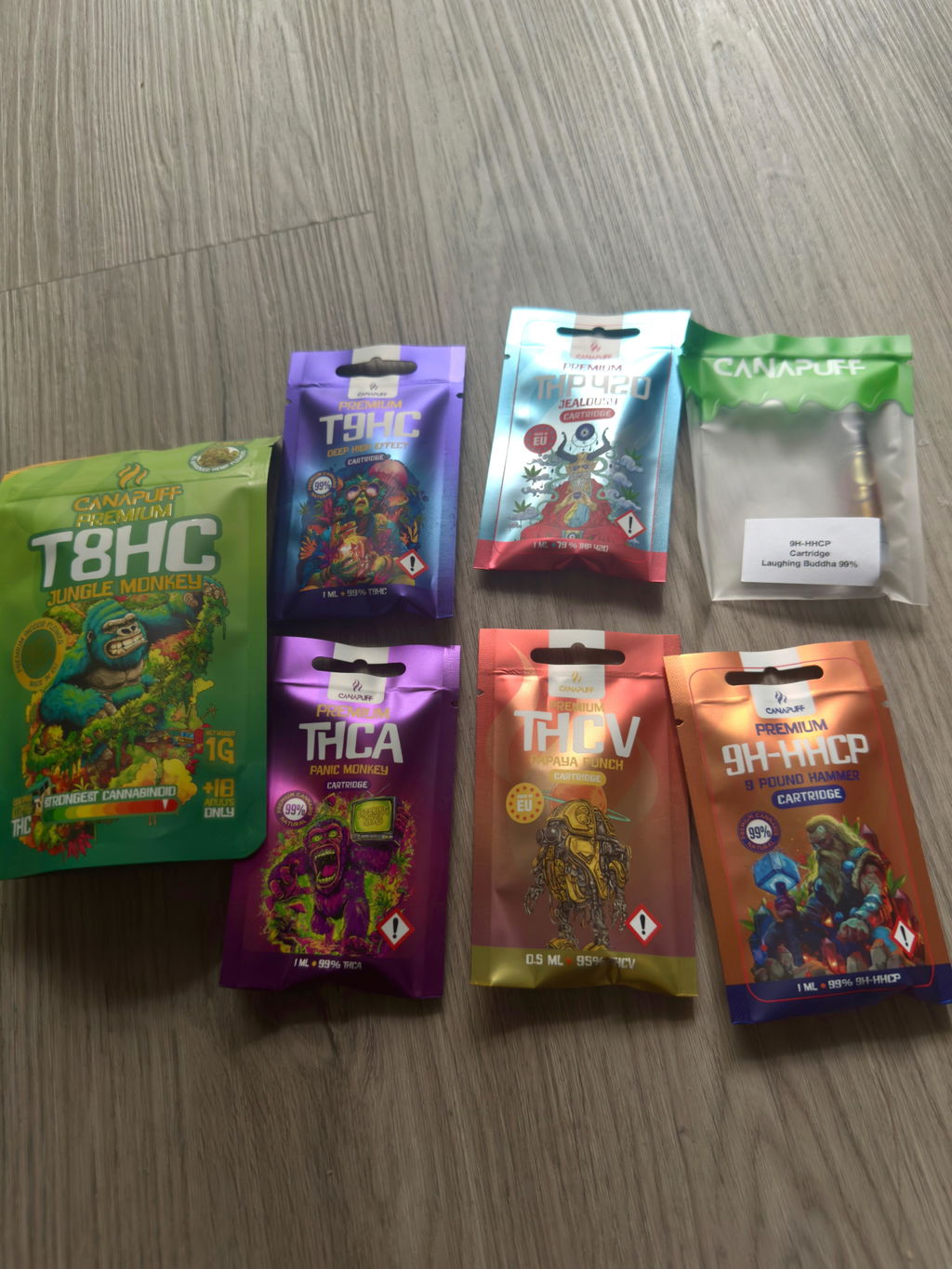
Canapuff's primary product line is THCa hemp flower, THCa and THCp vapes, and THC gummies — all products that produce intoxicating effects through activated THC or THCp. These are not CBD-dominant products and are not intended for users seeking non-intoxicating CBD wellness support. If non-intoxicating daily wellness support is your primary goal, a dedicated CBD product from a quality source may be a better fit than Canapuff's current lineup.
This article is for general educational and informational purposes only and does not constitute medical advice. All Canapuff hemp products contain less than 0.3% delta-9 THC. These statements have not been evaluated by the Food and Drug Administration. This product is not intended to diagnose, treat, cure, or prevent any disease. Must be 21+ to purchase. Not available in HI, ID, MN, OR, RI, UT, or VT.
Leave a comment
This site is protected by hCaptcha and the hCaptcha Privacy Policy and Terms of Service apply.