
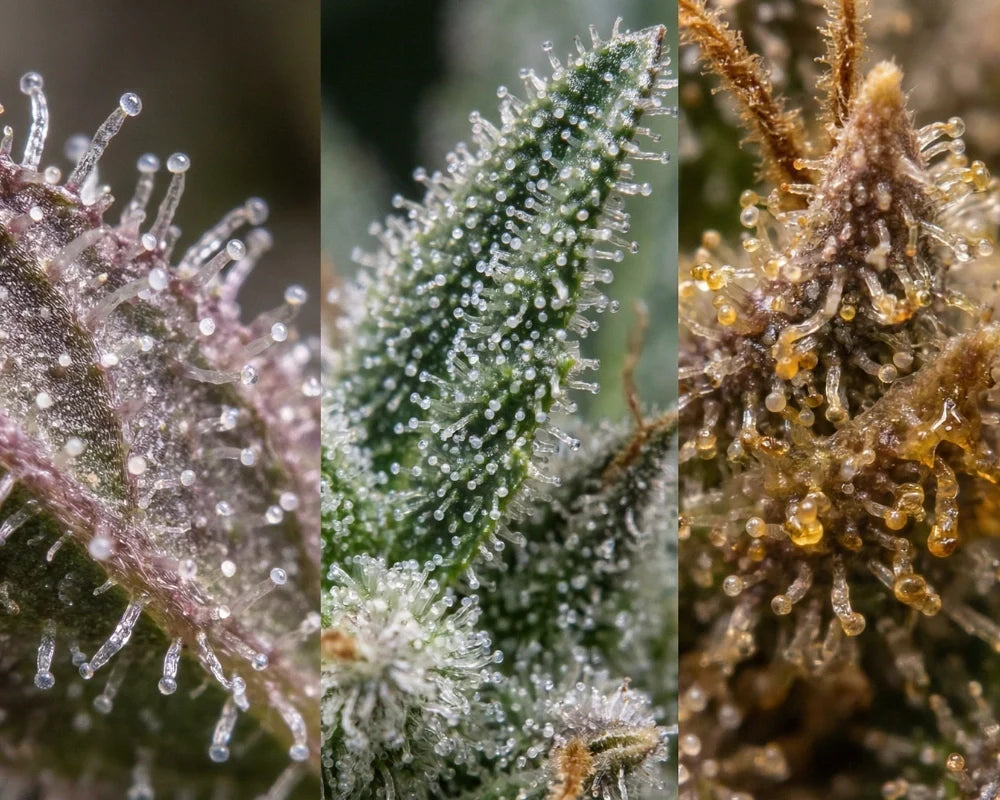
You're browsing THCa flower and you see three tiers: Greenhouse from $20, Indoor from $35, Exotic from $40. Same plant. Same activation. Completely different growing environments — and that difference matters far more than most buyers realize. This guide breaks down exactly what each grade means, how it affects what's in the jar, and which one is right for you.
Quick Answer: Greenhouse flower is grown under natural sunlight with environmental protection — solid quality at accessible prices. Indoor flower is cultivated in fully controlled rooms with artificial lighting — maximum consistency, density, and terpene richness. Exotic is the top tier of indoor: premium genetics, meticulous cultivation, standout visual appeal, and the most complex flavor profiles. Each step up costs more and delivers noticeably more.
Why Growing Environment Matters
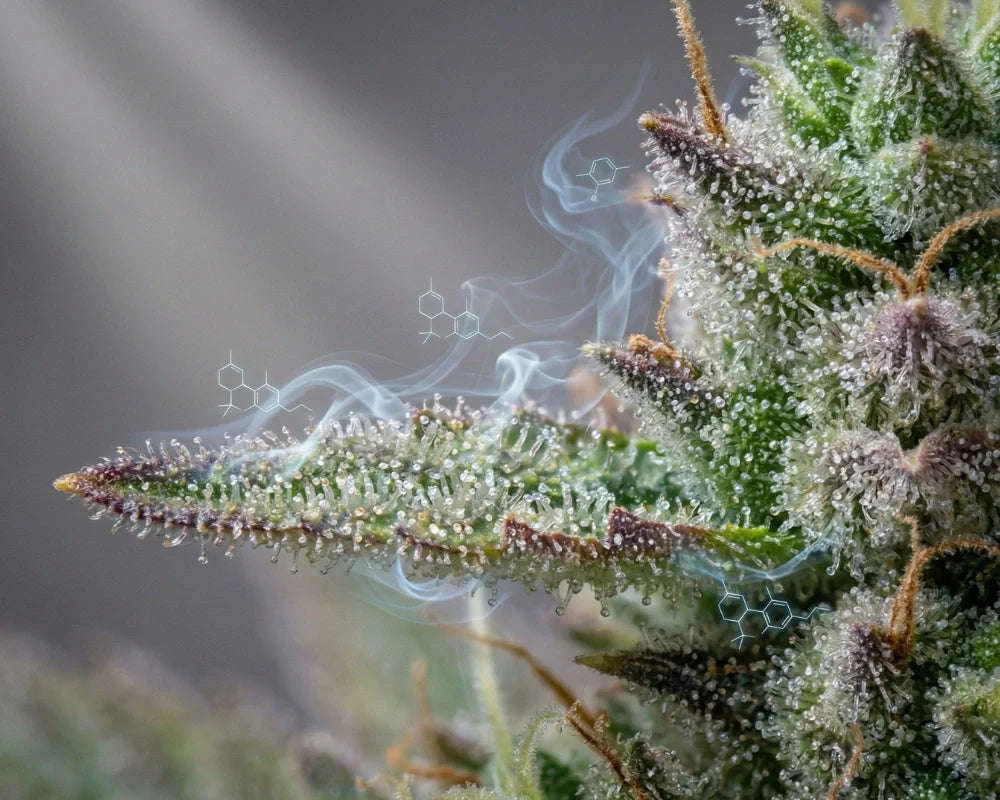
Cannabis is one of the most environmentally sensitive plants on earth. Light intensity, temperature swings, humidity, airflow, nutrient delivery — every variable influences how the plant develops its cannabinoids, terpenes, and resin glands (trichomes). The trichomes are where all the good stuff lives: the THCa, the terpenes, the flavor, the effect.
Control the environment tightly, and the plant channels its energy into producing dense, resin-rich flowers. Leave it to the elements, and you get more variability — sometimes still excellent, but less predictable. This is why the same genetics grown in three different environments can produce noticeably different results in the jar.
Greenhouse THCa Flower
Greenhouse cultivation is exactly what it sounds like: hemp plants grown inside a transparent structure that lets natural sunlight in while protecting plants from weather, pests, and temperature extremes. It's the middle path — more control than outdoor growing, lower operational cost than full indoor.
What makes it different
- Light source: Natural sunlight — the full spectrum, which supports robust plant development and can produce excellent terpene profiles in the right conditions.
- Climate control: Partial. Growers can regulate temperature and humidity to a degree, but can't fully eliminate seasonal variation.
- Pest protection: The structure creates a barrier against most outdoor pests, reducing the need for chemical intervention.
- Consistency: Good but not perfect — batch-to-batch variation is possible depending on season and weather conditions.
What to expect from greenhouse flower
Greenhouse flower tends to have slightly lower THCa percentages compared to indoor — typically in the 15–22% range — but this varies considerably with genetics and grower skill. Buds are generally less dense and frosty than indoor, but can still be very flavorful, especially strains that express terpenes well under natural light. It's the practical choice for everyday use: reliable quality without the premium price tag.
Best for: Everyday consumers, those new to THCa flower, bulk buyers, and anyone who wants a solid, consistent experience without spending top dollar. Canapuff greenhouse flower starts from $20.
Indoor THCa Flower
Indoor cultivation means the plant never sees the sky. It lives its entire life in a climate-controlled room with artificial full-spectrum lighting, precisely dialed humidity, optimized airflow, and carefully managed nutrient delivery. Everything the plant experiences is by design.
What makes it different
- Light source: High-intensity artificial lighting (LED or HID) with programmable spectrums and light cycles, adjusted for each growth phase.
- Climate control: Total. Temperature, humidity, CO₂ levels, and airflow are all managed to ideal ranges 24/7.
- Pest and contamination control: Indoor environments dramatically reduce exposure to pests, mold, and environmental contaminants.
- Consistency: High — the same environment produces the same results harvest after harvest.
What to expect from indoor flower
Indoor flower consistently delivers higher THCa percentages — commonly 20–30%+ — with denser bud structure, thicker trichome coverage, and richer terpene expression. The controlled drying and curing environment after harvest also preserves more of the volatile aromatic compounds that define a strain's flavor and aroma. Bag appeal is noticeably stronger: tighter, more colorful, visually frosted buds that reflect the care put into their cultivation.
The trade-off is price. Indoor operations are energy-intensive. Artificial lighting, HVAC systems, and the skilled labor required to manage them all add to production costs — which are reflected in the retail price. But for most consumers who try indoor after greenhouse, the difference is immediately apparent.
Best for: Regular consumers who want consistent quality and richer flavor. Those who've tried greenhouse and are ready to step up. Canapuff indoor flower starts from $35.
Exotic THCa Flower
Exotic isn't just a marketing term — it's a classification that describes the top tier of indoor cultivation. Exotic flower combines premium-grade genetics with meticulous cultivation, intensive hand-trimming, and often smaller batch sizes that allow for greater attention to detail at every stage of growth, harvest, and cure.
What makes it different
- Genetics: Exotic strains are bred from some of the most prestigious and high-performing cannabis lineages. The starting point is already superior.
- Cultivation intensity: More labor-intensive growing techniques — individual plant training, precise nutrient dialing per phenotype, longer cure times.
- Trimming: Hand-trimmed to preserve trichomes and maximize bag appeal. Machine trimming, standard at scale, removes delicate resin glands that exotic-tier product retains.
- Batch sizes: Often smaller, allowing for greater quality control and phenotype selection.
What to expect from exotic flower
Exotic flower is the most visually striking, aromatically intense, and flavorfully complex product in the range. THCa percentages frequently exceed 25–30%, and the terpene profiles are more pronounced and layered. Opening the jar should be an experience in itself — a loud, distinctive aroma that reflects the specific genetics of the strain. Effects are the most nuanced, shaped by both high THCa content and a rich, intact terpene profile working together.
This is the tier for connoisseurs: people who appreciate the difference between a good strain and an exceptional one, and who are willing to pay for it.
Best for: Experienced consumers, flavor chasers, and those who want the best possible THCa flower experience. Canapuff exotic flower starts from $40.
Side-by-Side Comparison
| Feature | Greenhouse | Indoor | Exotic |
|---|---|---|---|
| Light source | Natural sunlight | Artificial (LED/HID) | Artificial, optimized |
| Environmental control | Partial | Full | Full + meticulous |
| Typical THCa % | 15–22% | 20–30% | 25–35%+ |
| Bud density | Medium | Dense | Very dense |
| Terpene profile | Good | Rich | Complex & loud |
| Trimming | Machine or hand | Hand or machine | Hand-trimmed |
| Consistency | Good | High | Very high |
| Canapuff starting price | From $20 | From $35 | From $40 |
| Best for | Everyday use, beginners | Regular consumers | Connoisseurs |
Does Higher Grade Always Mean a Stronger High?
Not automatically — but it often does, and more importantly, it usually means a better high. THCa percentage is one input. The terpene profile is another equally important one. Two flowers with the same THCa content can produce noticeably different experiences based on which terpenes are present and in what ratios.
A well-grown exotic strain at 26% THCa with a rich, intact terpene profile will typically outperform a poorly cured indoor strain at 30% THCa. The terpenes shape the character, depth, and duration of the effect — not just the raw potency number. This is why experienced consumers often describe exotic flower as hitting differently, not just harder.
How to Choose the Right Grade for You
- New to THCa flower? Start with greenhouse. It's forgiving on price, delivers a genuine experience, and lets you find your preferred strains and effect types before spending more.
- Regular consumer wanting more? Step up to indoor. The jump in quality is immediately noticeable — denser buds, richer aroma, more consistent effects.
- Chasing the best possible experience? Go exotic. If you want to understand what the plant can truly produce at its ceiling, exotic-grade is the answer.
- Building a session with mixed preferences? Many experienced users keep greenhouse on hand for daily use and reserve indoor or exotic for evenings or special occasions.
Frequently Asked Questions
Is greenhouse flower worth buying, or should I always go indoor?
Greenhouse is absolutely worth buying. For everyday use, the price-to-quality ratio is strong, and quality greenhouse flower from good genetics can be genuinely impressive. Indoor becomes the obvious choice when you want consistency, flavor complexity, or a more premium experience — not when greenhouse is somehow inadequate.
Why does exotic cost more than regular indoor?
Exotic flower involves more labor-intensive cultivation, hand-trimming, smaller batches with more individual plant attention, and premium genetics that cost more to source and maintain. Every step of the process is more resource-intensive — and that's reflected in the final product's quality and price.
Does the growing grade affect whether THCa converts to THC when smoked?
No. The decarboxylation process is the same regardless of how the plant was grown. Heat converts THCa to THC across all grades identically. What differs is how much THCa is present to begin with, and how rich the terpene profile is that shapes the resulting experience.
How do I tell the difference by looking at the flower?
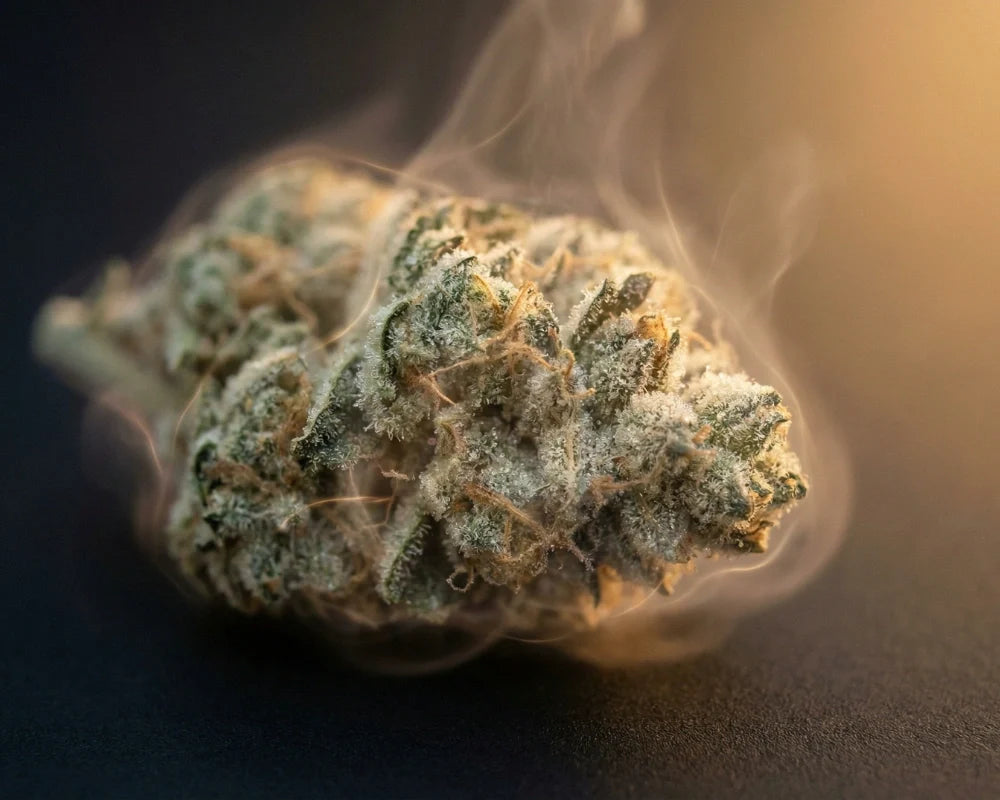
Indoor and exotic flower is typically denser, more compact, and covered in a visible layer of trichomes (the white/silver crystals). Colors are more vivid — deeper greens, purples, and orange pistils. Greenhouse flower may look slightly less manicured and is often less frosted. Aroma is the most reliable indicator: indoor and exotic flower should smell noticeably louder and more complex when you open the bag.
This article is for general informational purposes only and does not constitute legal or medical advice. All Canapuff hemp products contain less than 0.3% delta-9 THC. These statements have not been evaluated by the Food and Drug Administration. This product is not intended to diagnose, treat, cure, or prevent any disease.
Leave a comment
This site is protected by hCaptcha and the hCaptcha Privacy Policy and Terms of Service apply.