
Table of contents
- The Core Difference: One Molecular Group Changes Everything ›
- Side-by-Side Comparison ›
- Why Product Labels Show THCa — Not THC ›
- How They Each Interact With Your Body ›
- Does the Experience Actually Feel Different? ›
- The Legal Difference — And Why It Matters ›
- THCa vs THC in Different Product Types ›
- Common Questions ›
THCa and THC. One letter apart. Completely different in how they behave in your body — until heat gets involved. If you've ever wondered why a product label says 25% THCa instead of THC, or why raw cannabis doesn't get you high, this guide answers all of it clearly.
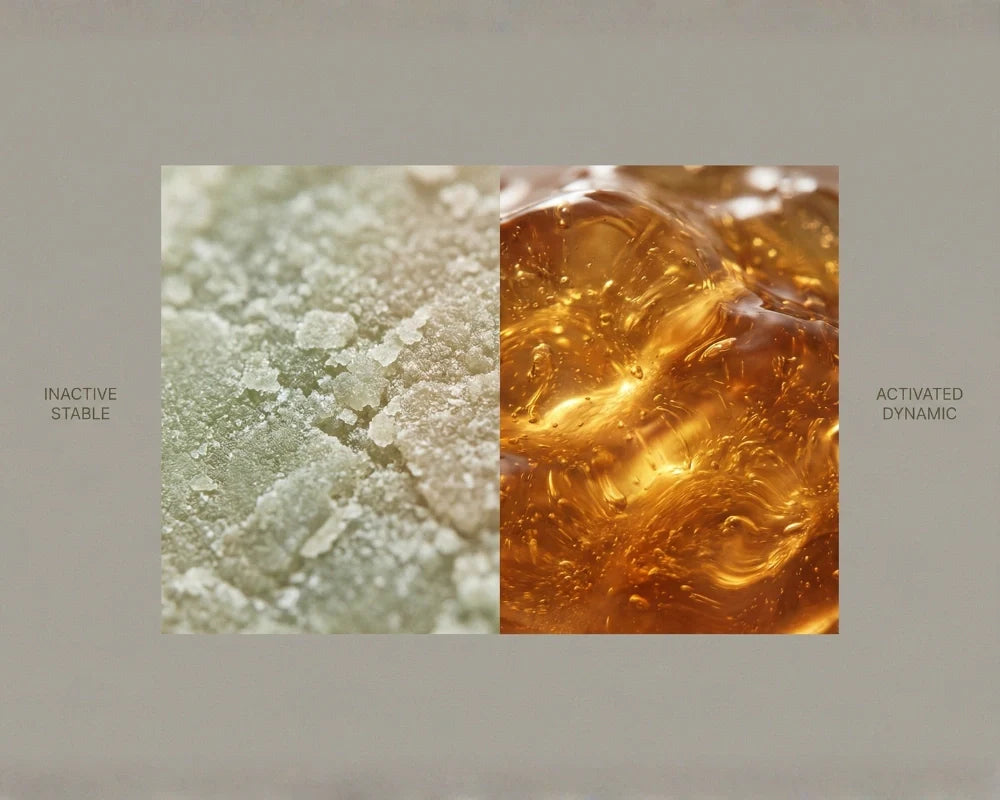
Quick Answer: THCa is the raw, non-psychoactive form of THC found in the plant before any heat is applied. THC is the activated, psychoactive compound produced when THCa is heated through smoking, vaping, or cooking. Same molecule family — completely different behavior until that moment of heat.
The Core Difference: One Molecular Group Changes Everything
THCa stands for tetrahydrocannabinolic acid. That last word is the key. In its natural state inside the plant, the molecule carries an extra carboxyl group (COOH) attached to its structure. That single addition completely changes how the compound interacts with your body.
Your brain's CB1 receptors — the ones responsible for producing a psychoactive effect — require a precise molecular shape to bind with. THCa's extra carboxyl group makes it too large and misshapen to lock into those receptors efficiently. The result: no high, regardless of how much THCa is present in its raw form.
Remove that carboxyl group through heat, and the molecule restructures into THC — smaller, perfectly shaped, and able to bind directly to CB1 receptors. That's the entire difference between feeling nothing and feeling everything.
Side-by-Side Comparison
| Feature | THCa | THC |
|---|---|---|
| Full name | Tetrahydrocannabinolic acid | Tetrahydrocannabinol |
| Found in raw plant? | ✓ Yes — abundantly | Trace amounts only |
| Psychoactive? | ✗ No (in raw form) | ✓ Yes |
| Binds to CB1 receptors? | ✗ Poorly — wrong shape | ✓ Yes — directly |
| Activated by heat? | Converts into THC | Already active |
| Federal legal status (USA)? | ✓ Legal (hemp-derived, <0.3% Δ9) | ✗ Schedule I federally |
| On drug test? | ✗ Positive after conversion | ✗ Positive |
| Listed on product labels? | ✓ Yes — most flower & vapes | In edibles & pre-activated products |
Why Product Labels Show THCa — Not THC
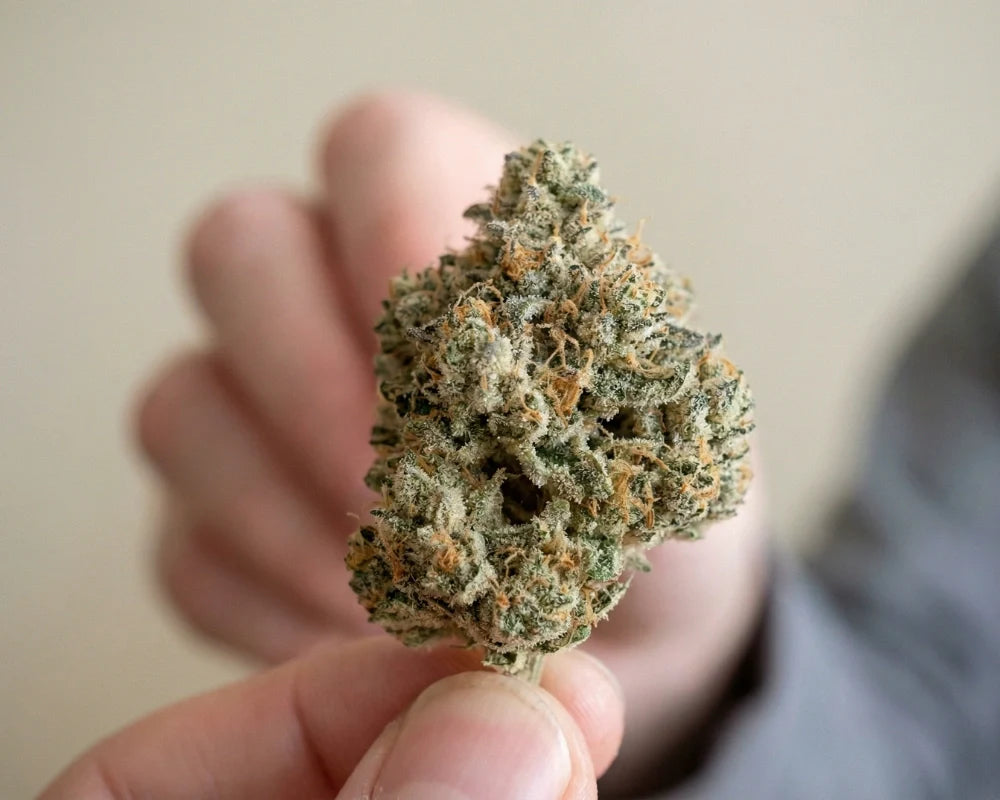
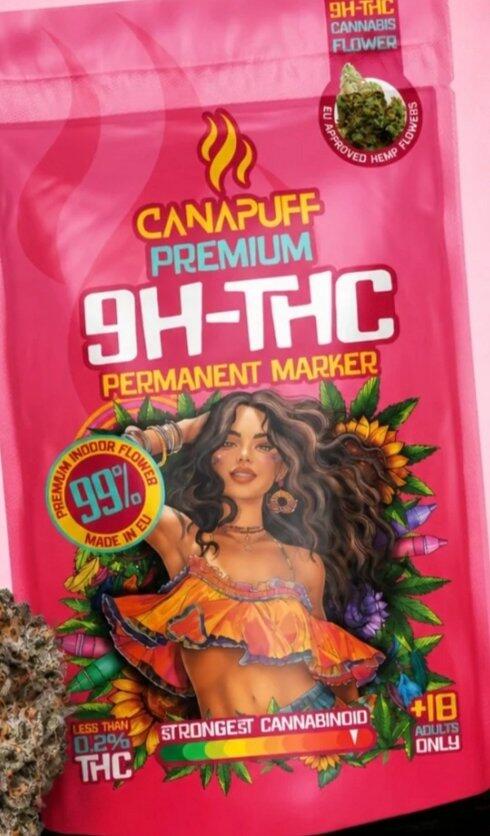
If you pick up a Canapuff THCa flower and see "25% THCa" on the label, that number tells you the concentration of the compound before it's heated. This is standard across the industry because that's literally what's in the product at the point of sale — raw, unactivated THCa.
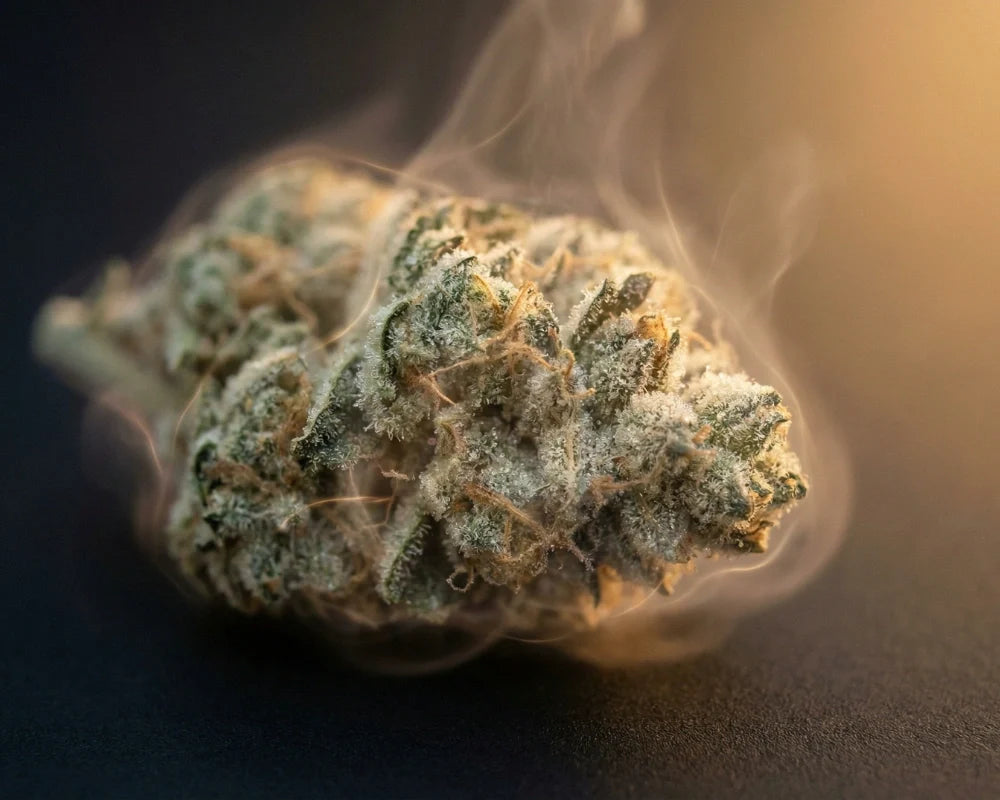
Once you smoke or vape it, the conversion happens instantly. The math isn't one-to-one though. Using the industry-standard formula, roughly 87.7% of THCa converts to THC by molecular weight. So 25% THCa becomes approximately 22% equivalent THC — still highly potent, and the reason THCa flower delivers a genuine, full-strength experience.
The formula: Total THC = (THCa % × 0.877) + THC %. This is the USDA-approved calculation labs use to determine actual potency. A flower listed at 28% THCa with 0.2% THC delivers approximately 24.8% total THC when activated.
How They Each Interact With Your Body
THCa and the endocannabinoid system
Raw THCa doesn't bind strongly to CB1 or CB2 receptors — the two main receptor types in your endocannabinoid system. Instead, early research suggests THCa interacts with other pathways in the body, including PPARγ receptors, which are linked to inflammation and metabolism. This is why some people consume raw THCa (through juicing or capsules) specifically to avoid intoxication while exploring potential anti-inflammatory and neuroprotective effects. Clinical research is still early-stage, but the direction is promising.
THC and the endocannabinoid system
THC fits directly and strongly into CB1 receptors concentrated in the brain and central nervous system. This binding triggers the release of dopamine and alters the flow of signals between neurons — producing the familiar effects of euphoria, relaxed body sensation, altered time perception, increased appetite, and heightened sensory experience. The intensity depends on the dose, the strain's terpene profile, your personal tolerance, and the method of consumption.
Does the Experience Actually Feel Different?
Once THCa has been activated through heat, the resulting experience is functionally identical to consuming traditional cannabis. There is no meaningful perceptual difference between THC derived from THCa and THC from any other source — your body processes the same molecule either way.
The differences that do matter come from the strain's terpene profile, the growing environment (greenhouse vs indoor vs exotic), and how you consume it — not from the THCa-to-THC conversion itself.
The Legal Difference — And Why It Matters
This is where THCa and THC diverge most dramatically in practical terms. The 2018 Farm Bill defined legal hemp as cannabis containing less than 0.3% delta-9 THC by dry weight. Because THCa is the acid precursor — not THC itself — hemp plants can legally contain very high concentrations of THCa and still comply with federal law.
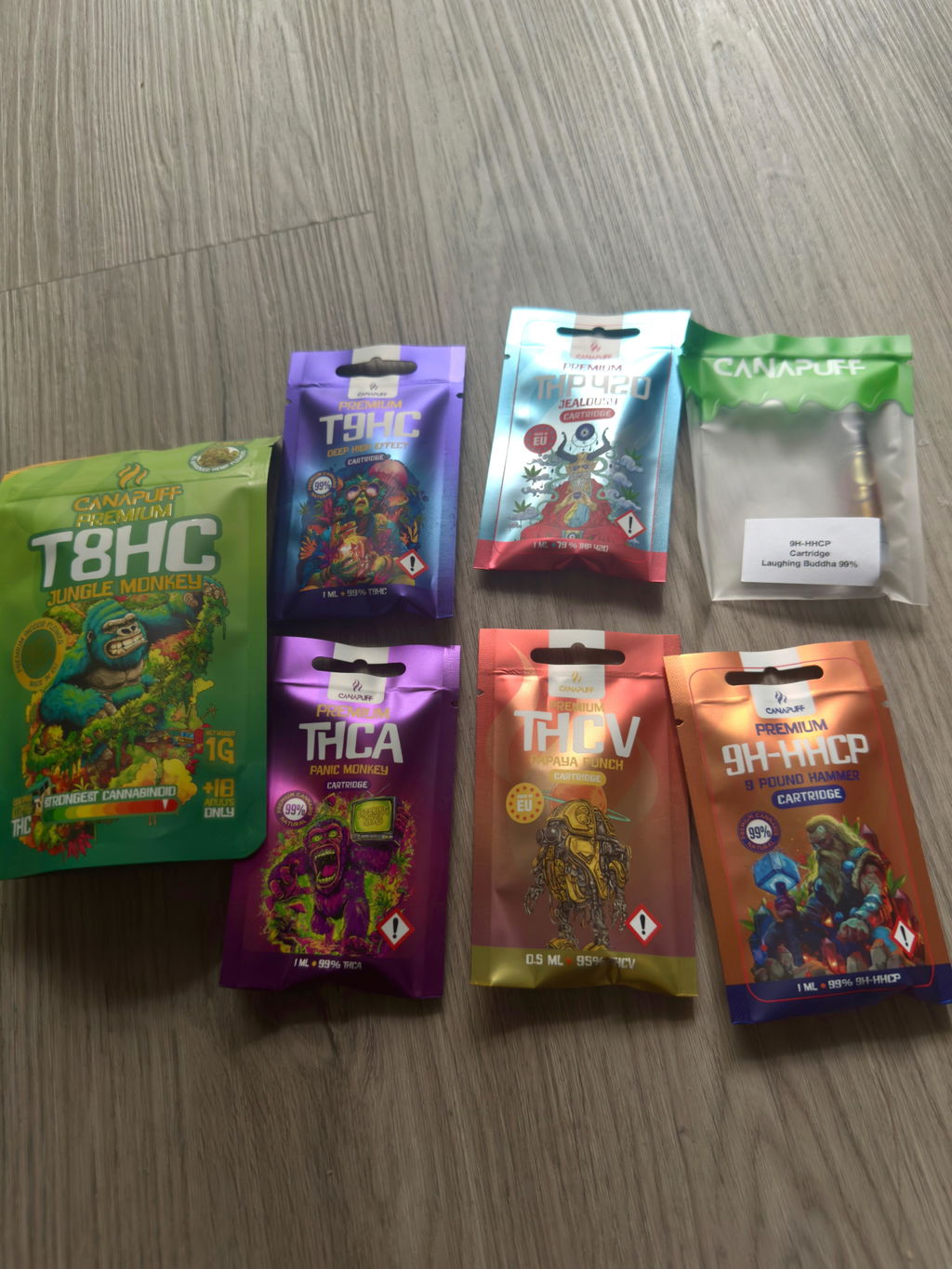
This is what makes Canapuff's THCa flowers, vapes, and liquid federally compliant products. They are derived from hemp, tested to contain under 0.3% delta-9 THC at point of sale, and legal to ship across most of the USA. Once consumed, the experience they deliver is the real thing — because heat converts them into exactly that.
⚠️ Drug Testing: Whether you consume THCa flower, THCa vapes, or any product that converts to THC upon use — the metabolites detected in drug tests (primarily THC-COOH) will be present. Do not assume THCa products are drug-test safe. They are not.
THCa vs THC in Different Product Types
Flower and vapes — THCa is dominant
Raw hemp flower and THCa vape cartridges contain primarily THCa. The conversion to THC happens in the moment of use — combustion or vaporization. This is why these products can be sold legally online and shipped across state lines (where permitted), and why they deliver a full effect identical to dispensary cannabis once consumed.
Gummies and edibles — THC is dominant
With THC gummies, the decarboxylation has already occurred during manufacturing. The product contains activated THC (typically delta-9) derived from hemp. No heat is required from the consumer — the conversion is done. This is why gummies have a slower onset (30–90 minutes as they're processed through digestion) and often feel more body-heavy compared to the near-instant effect of smoking or vaping.
Common Questions
If I eat raw THCa flower, will I get high?
No. Without heat, THCa cannot convert to THC in any meaningful quantity through digestion alone. You'd be consuming non-psychoactive plant material. Some people do this intentionally to access the raw cannabinoid without intoxication.
Is THCa weaker than THC?
Not when smoked or vaped. After heat activation, the THC produced from THCa is chemically identical to any other THC. The only practical reduction is the ~12% molecular weight loss during conversion — not a noticeable difference in effect.
Can I use THCa topically?
Topical applications don't involve heat, so THCa would remain in its raw, non-psychoactive form when applied to skin. Some users and product developers explore this for localized anti-inflammatory potential, though the research is very early-stage.
Why do some products list both THCa% and THC%?
A lab-tested product will show both the raw THCa content and any residual delta-9 THC already present. The THCa number tells you the potential potency after activation; the THC number tells you what's already active. Both together give you the full picture of what you're buying.
This article is for general informational purposes only and does not constitute legal or medical advice. All Canapuff hemp products contain less than 0.3% delta-9 THC. These statements have not been evaluated by the Food and Drug Administration. This product is not intended to diagnose, treat, cure, or prevent any disease.
Leave a comment
This site is protected by hCaptcha and the hCaptcha Privacy Policy and Terms of Service apply.