
Table of contents
- What is THCa? ›
- THCa vs. THC — What's the Real Difference? ›
- How Does Decarboxylation Work? ›
- Why Is THCa Legal While THC Isn't? ›
- THCa Product Types — Which One Is Right for You? ›
- What Effects Should You Expect? ›
- Common Myths About THCa ›
- How to Choose Your First THCa Product ›
- Frequently Asked Questions ›
You've seen it on flower bags, vape cartridges, and lab reports — but what actually is THCa, and why does it matter? Whether you're completely new or just want the facts laid out clearly, this guide covers everything from the chemistry to choosing your first product.
Quick Answer: THCa (tetrahydrocannabinolic acid) is the natural, non-intoxicating precursor to THC found in raw hemp plants. On its own it doesn't get you high — but when heated through smoking or vaping, it converts into THC through a process called decarboxylation. This is why THCa flower and vapes deliver a real, powerful effect.
What is THCa?
THCa is the acidic, raw form of THC that exists naturally in the hemp and cannabis plant. In the living plant, cannabinoids don't start out as THC — they develop as acidic compounds first. THCa is the most abundant of these, and it's the direct chemical parent of THC.
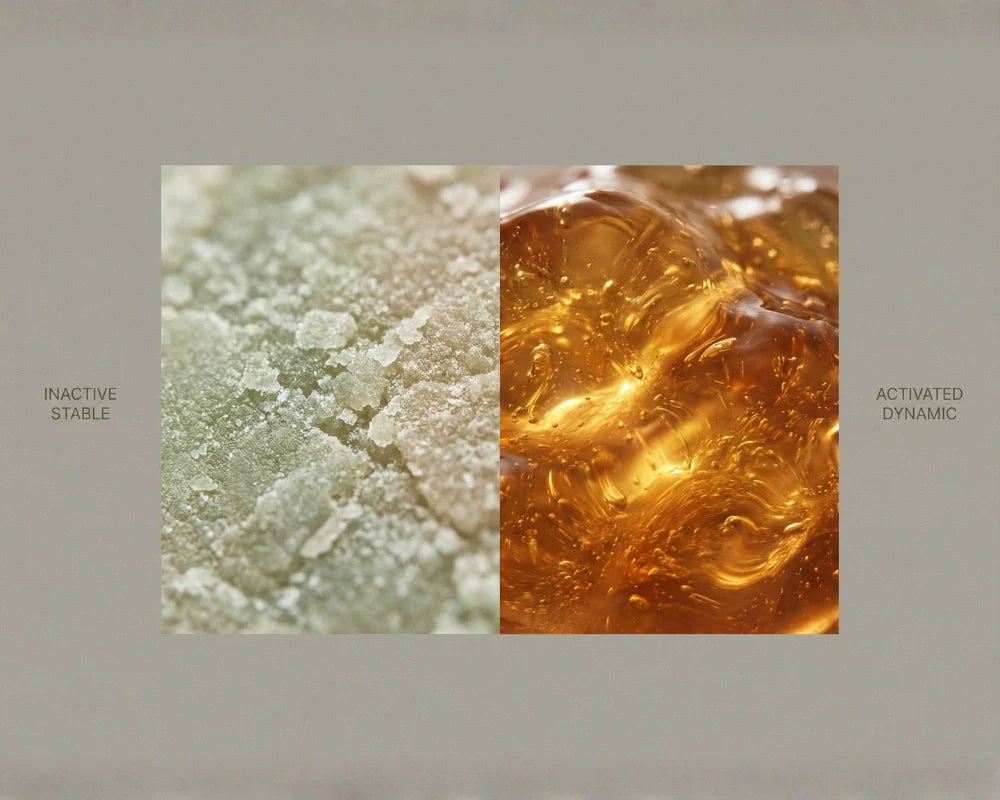
The "a" stands for the carboxyl group attached to the molecule. That one extra molecular piece is what makes the difference between a non-intoxicating compound and an active one. When heat is applied — through smoking, vaping, or cooking — that carboxyl group breaks off as CO₂ in a process called decarboxylation. What remains is THC.
Think of THCa as THC in standby mode. Fully loaded, just waiting for heat to flip the switch.
THCa vs. THC — What's the Real Difference?
The two molecules are almost identical, but they behave completely differently in the body — at least until heat enters the picture.
| Property | THCa (raw) | THC (after heat) |
|---|---|---|
| Psychoactive? | ✗ No | ✓ Yes |
| Found in raw plant? | ✓ Yes | Trace amounts only |
| Activated by heat? | Converts → THC | Already active |
| Legal under Farm Bill? | ✓ Yes (hemp-derived) | ✗ Federal Schedule I |
| Shows on drug test? | ✗ Yes, after conversion | ✗ Yes |
How Does Decarboxylation Work?
Decarboxylation sounds complicated, but it's simply what happens when you apply heat. The moment you light a joint, draw from a vape, or bake flower into an edible, temperatures above roughly 220°F (105°C) trigger the reaction. The carboxyl group detaches, CO₂ is released, and THCa becomes THC almost instantly.
Importantly, conversion is not 100%. During combustion, approximately 87.7% of THCa converts to THC. So a product listed at 25% THCa delivers roughly 22% equivalent THC when smoked — still very potent, and the reason high-THCa flower is taken seriously.
Good to know: Slow, ambient heat — like leaving flower in a hot car — can also cause partial decarboxylation over time. Always store your products in a cool, dark place to preserve the THCa content until you're ready to use it.
Why Is THCa Legal While THC Isn't?
The 2018 Farm Bill defined legal hemp as cannabis containing less than 0.3% delta-9 THC by dry weight. THCa, being the acid precursor, does not count toward that limit in its raw form. This means hemp strains can legally carry very high concentrations of THCa and still be federally compliant.
This legal distinction opened the door for products like THCa flower, THCa disposable vapes, and THCa liquid — all derived from compliant hemp, all delivering the full-spectrum experience when activated.
🗺️ State Restrictions: THCa is not legal in every state. Canapuff does not ship THCa products to Hawaii, Idaho, Minnesota, Oregon, Rhode Island, Utah, or Vermont, where local law restricts these products regardless of federal hemp compliance. Always check your state's rules before ordering.
THCa Product Types — Which One Is Right for You?
There are several ways to consume THCa, each with a different experience and activation method.
THCa Flower
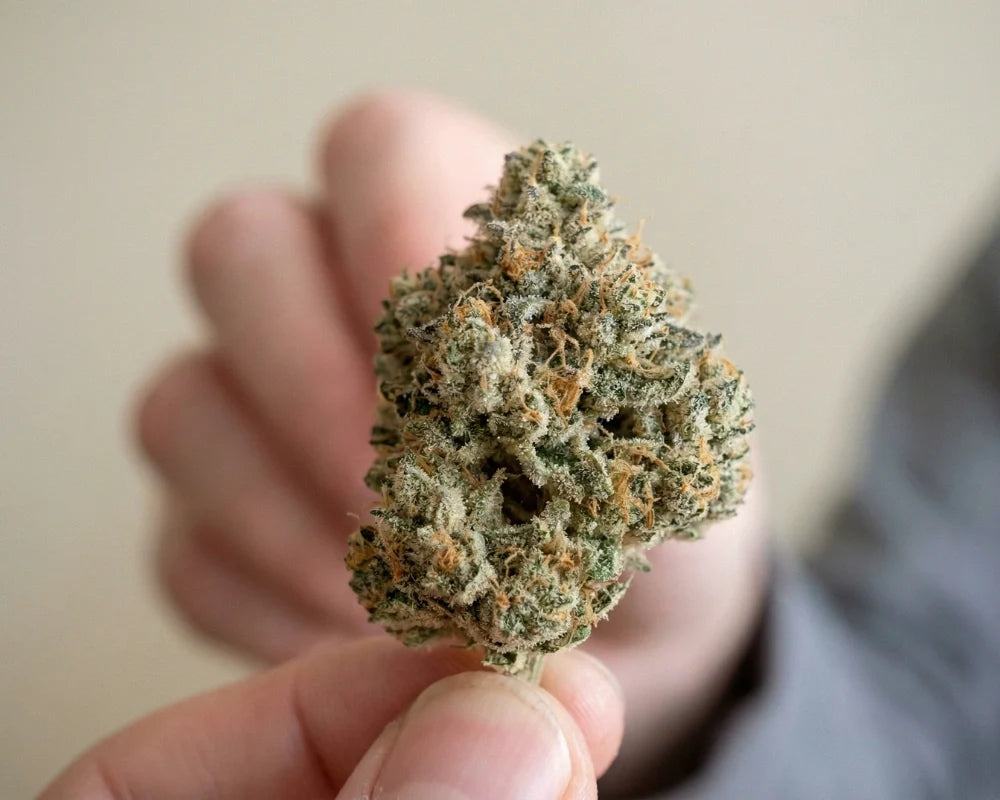
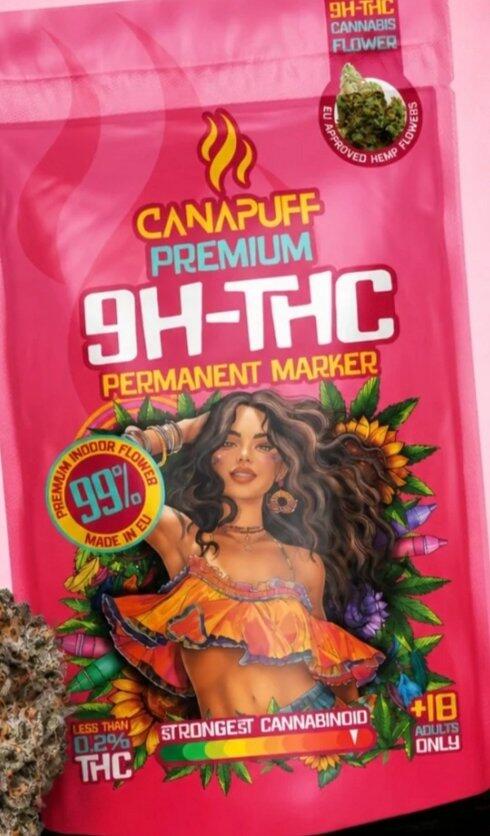
The most traditional format. Raw hemp buds with high THCa content, sold by the gram. Smoke or vaporize to activate. Canapuff offers three grades:
- Greenhouse — Grown under natural sunlight with environmental support. Great entry-level quality at accessible pricing. From $20.
- Indoor — Fully controlled environment, optimized lighting, higher trichome density, more consistent aroma and potency. From $35.
- Exotic — Top-shelf cultivars with exceptional visual appeal, complex terpene profiles, and maximum potency. For connoisseurs. From $40.
THCa Vapes
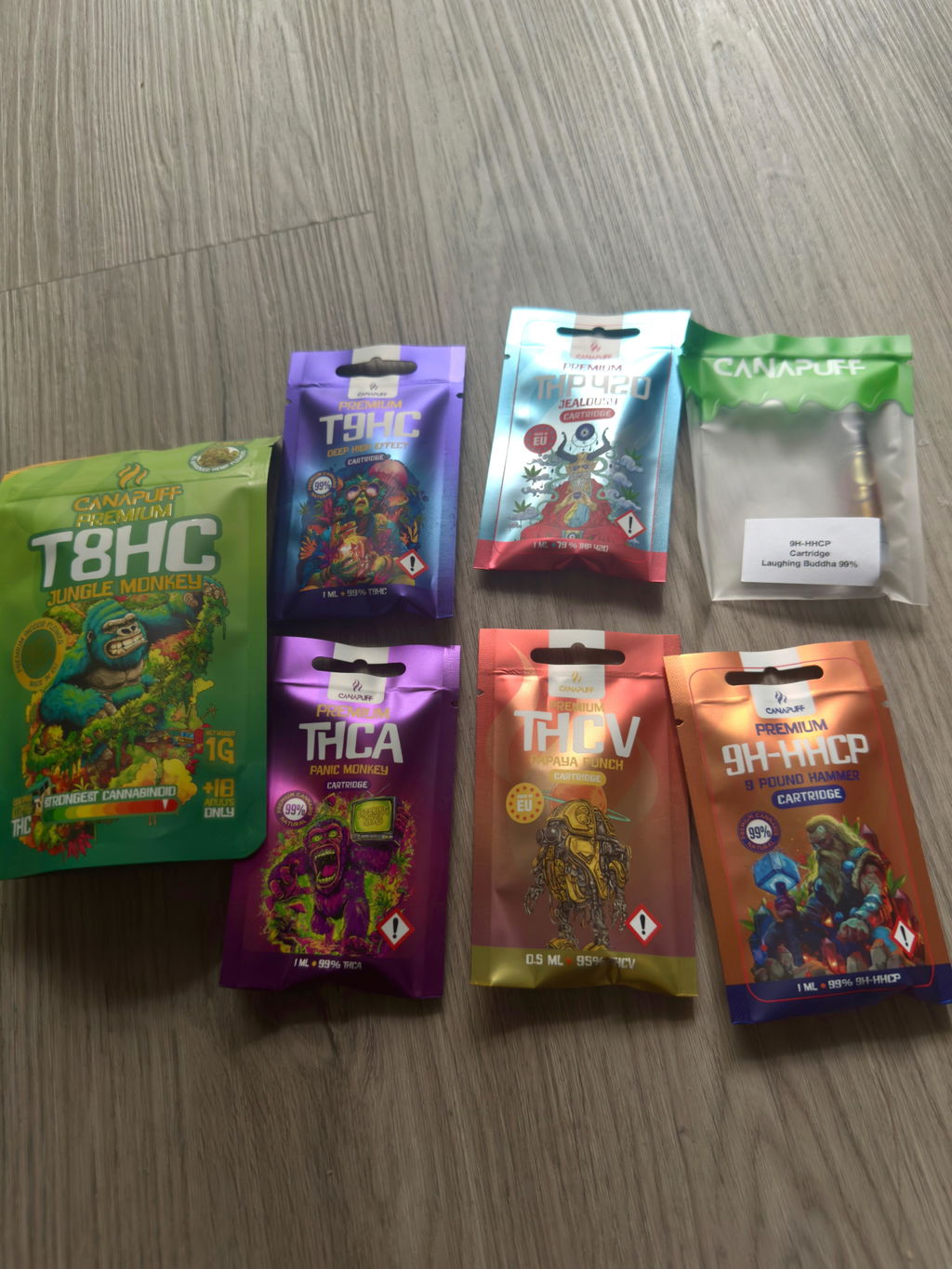
Disposable 1g vapes pre-filled with THCa distillate blended with strain-specific terpenes. No grinding, no prep — draw and activate instantly. Discreet form factor makes them ideal for use on the go. Available in Sativa, Hybrid, and Indica options.
THCa Liquid
Concentrated THCa solution for use in compatible vape devices. Highly potent and versatile. Best suited for experienced users who want flexibility in how they consume.
THC Gummies
With gummies, the THCa-to-THC conversion has already happened during production. You're consuming activated THC — no heat required from your end. Gummies offer precise, consistent dosing and a delayed onset of 30–90 minutes compared to the near-instant effect of vapes and flower.
What Effects Should You Expect?
Once activated, the experience depends heavily on the strain type. Canapuff groups their products around three effect categories:
- Euphoric Lift (Sativa) — Cerebral energy, uplifted mood, creativity boost. Ideal for daytime use and social situations. Examples: Green Crack, Sour Tangie, Space Junky.
- Focus & Flow (Hybrid) — Balanced mental and physical effect. The sweet spot for work, creative sessions, or general use. Examples: Purple Runtz, Pink Runtz, Jealousy.
- Deep Unwind (Indica) — Heavy body relaxation, calmed mind, often leads to sleep. Best reserved for evening use. Examples: Gorilla Glue, Frosty OG, Ice Cream Cake.
First time? Start with a single puff from a vape or a small amount of flower and wait 10–15 minutes before consuming more. THCa vapes and flower activate quickly — much faster than edibles. There's no rush.
Common Myths About THCa
There's a lot of confusion around THCa online. Here are the most common misconceptions, cleared up:
- "THCa won't get you high": Raw THCa won't — but smoked or vaped THCa absolutely will. Heat converts it to THC and the effect is indistinguishable from traditional cannabis.
- "THCa is 100% legal everywhere in the US": It's federally compliant under the Farm Bill, but several states have enacted their own restrictions that override federal rules.
- "THCa won't show on a drug test": Wrong. Once activated and metabolized, it produces THC-COOH — the compound most standard drug tests detect. Assume a positive result.
- "Higher THCa % always means a better experience": Potency is just one factor. Terpene profile, cultivation method, and strain genetics all shape the experience. A well-grown 18% exotic often outperforms a rushed 30% greenhouse product.
How to Choose Your First THCa Product
If you're new, the choice can feel overwhelming. A simple approach to narrow it down:
- Define your goal first. Energy and focus points toward Sativa. Relaxation and sleep points toward Indica. Everything in between — Hybrid.
- Pick your format. Flower is the most complete experience. Vapes are discreet and convenient. Gummies are pre-dosed and predictable.
- Start with a mid-tier option. Greenhouse flower or a standard 1g vape is the ideal starting point — the quality is solid, the cost is low, and it gives you a clear baseline before stepping up to exotics.
- Adjust on your second order. Too intense? Go lower potency or switch to gummies. Not enough effect? Step up to indoor or exotic flower next time.
Frequently Asked Questions
Is THCa the same as CBD?
No. CBD (cannabidiol) is a completely different cannabinoid that does not convert to THC when heated and is not psychoactive. THCa is the direct precursor to THC — chemically they are closely related. CBD and THC are not.
Can I eat raw THCa flower?
Some people add raw hemp flower to smoothies for its non-psychoactive cannabinoid content. You won't experience a high this way, but the plant material does contain terpenes, flavonoids, and minor cannabinoids. Clinical research on raw THCa consumption in humans is still limited.
How should I store THCa flower?
Keep flower in an airtight, UV-blocking container at room temperature — away from heat, light, and humidity. This preserves terpene content and prevents mold. Avoid storing in the freezer, as trichomes become brittle and break off when frozen.
Does THCa have a smell?
Yes — THCa flower smells like cannabis. The aroma comes from terpenes, not the THCa molecule itself. Different strains vary wildly: fruity and sweet (Purple Runtz, Lemon Cherry Gelato) to earthy and fuel-forward (Gorilla Glue, Sour Tangie).
This article is for general informational purposes only and does not constitute legal or medical advice. All Canapuff hemp products contain less than 0.3% delta-9 THC. These statements have not been evaluated by the Food and Drug Administration. This product is not intended to diagnose, treat, cure, or prevent any disease.
Leave a comment
This site is protected by hCaptcha and the hCaptcha Privacy Policy and Terms of Service apply.