
Table of contents
- The Core Safety Picture: Raw THCa vs. Activated THCa ›
- What Science Considers Well-Established About THC Safety ›
- The Real Risks: What to Take Seriously ›
- Who Should Avoid THCa Products Entirely ›
- Who Should Use With Extra Caution ›
- The 2025 Regulatory Update: What Buyers Need to Know ›
- Practical Safety Guidelines for THCa Users ›
- Frequently Asked Questions ›
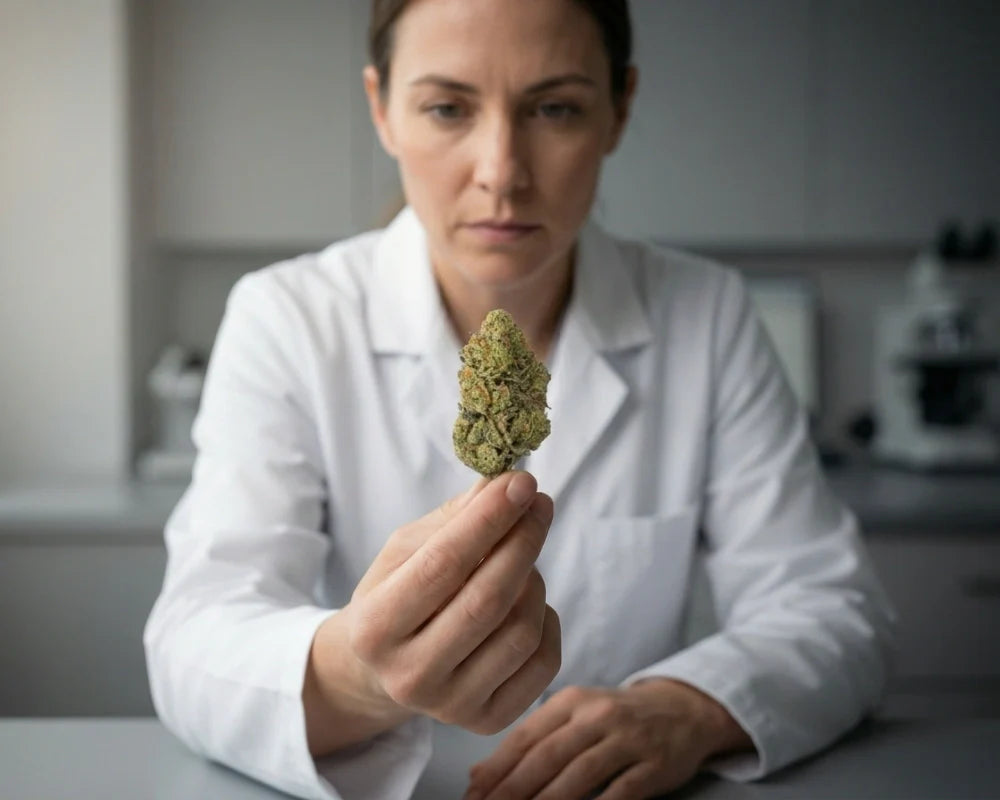
Is THCa safe? It's one of the most searched questions about hemp products in the US — and it deserves a real answer rather than either reflexive reassurance or unnecessary alarm. The honest answer depends heavily on what you mean by "THCa," how it's being consumed, by whom, and in what context. This article covers the full picture: what's genuinely well-supported about THCa's safety profile, what the real risks are, who should be cautious or avoid it entirely, and an important regulatory update from late 2025 that every THCa buyer should understand.
Important disclaimer: This article is for educational and informational purposes only. THCa hemp products are not approved by the FDA to diagnose, treat, cure, or prevent any disease or condition. The safety information presented here reflects current research on cannabis/THC and specific THCa data where available. If you have medical concerns or take prescription medications, consult a qualified healthcare provider before using any hemp product. Must be 21+.
The Core Safety Picture: Raw THCa vs. Activated THCa
Understanding THCa's safety requires separating two distinct situations:
Raw, unheated THCa — In its natural form, THCa does not bind meaningfully to CB1 receptors (the brain's primary cannabinoid receptor), which is why it produces no psychoactive effects when consumed without heat. Research medically reviewed in late 2025 confirms that raw THCa is considered non-toxic, with a safety profile that includes potential anti-inflammatory, neuroprotective, and anti-emetic properties. Side effects from raw THCa consumption are limited and primarily include mild gastrointestinal discomfort, dizziness in sensitive individuals, and potential interactions with certain medications metabolized by the CYP450 enzyme pathway.
Activated THCa (smoked or vaped) — When heated, THCa converts to active delta-9 THC through decarboxylation. At this point, the safety profile is that of activated THC — which is well-studied and considerably more complex. The psychoactive effects, dose-dependent risks, and contraindications described in this article apply primarily to activated THCa as consumed through smoking, vaping, or cooking.
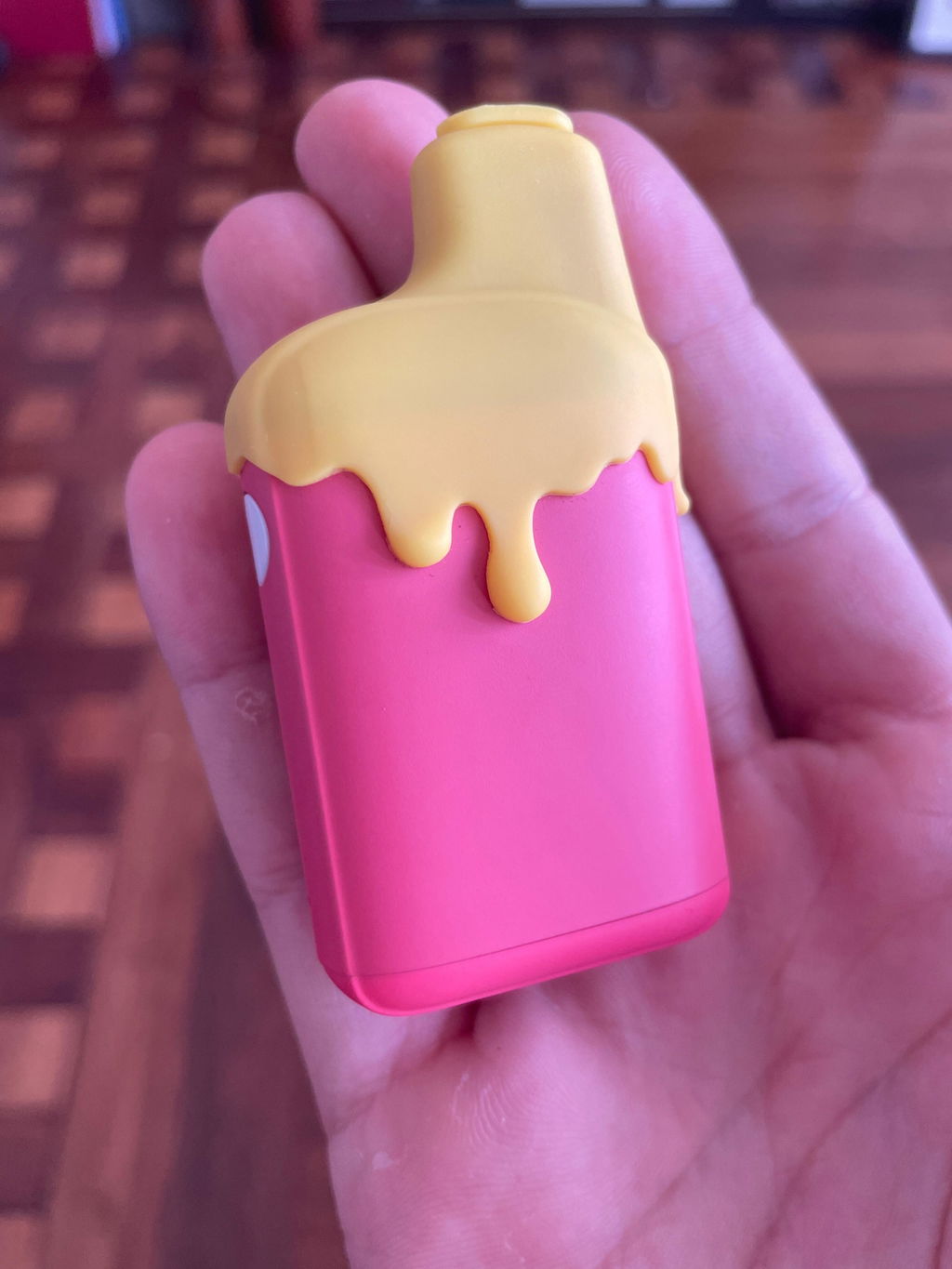
Most consumers using Canapuff's THCa flower, vapes, and gummies are consuming activated THCa in its THC form. This guide focuses primarily on that use case.
What Science Considers Well-Established About THC Safety
The activated form of THCa — delta-9 THC — is one of the most studied psychoactive compounds in the world. The National Academies of Sciences, Engineering, and Medicine published a comprehensive 2017 review of cannabis health effects covering thousands of studies. Combined with research through 2025, the following safety statements are well-supported:
Generally safe for healthy adults in responsible use
For healthy adults aged 21 and older with no relevant medical history, moderate use of THC-producing hemp products is generally well-tolerated. There is no established lethal dose for THC — it does not suppress respiratory function the way opioids do, and no deaths from THC toxicity alone have been documented in modern medical literature. This is a meaningful distinction from alcohol and many prescription medications.
No organ toxicity from THC itself
THC itself does not produce kidney toxicity, liver toxicity, or cardiac toxicity at typical consumer doses. The compound is metabolized primarily by the liver's CYP2C9 and CYP3A4 enzymes and excreted through urine and feces. There is no evidence that moderate long-term THC use produces cumulative organ damage, unlike alcohol, which is directly hepatotoxic.
Cognitive effects are dose- and frequency-dependent
Short-term cognitive effects of activated THC — including temporary impairment of short-term memory, reaction time, and executive function — are well-established and dose-dependent. These effects are temporary and resolve as THC clears the system. Long-term cognitive effects from heavy, frequent use show more evidence of concern, particularly for adolescent brains and individuals who begin heavy use in young adulthood. For adult users using moderate amounts occasionally to regularly, long-term cognitive effects are less clearly established, though heavy daily use over years is associated with some measurable cognitive changes in research.
The Real Risks: What to Take Seriously
1. Respiratory risks from smoking
The safety concern most clearly supported by evidence is not about THCa itself — it's about the smoking method. Combustion of any plant material produces tar, carbon monoxide, and particulates associated with chronic bronchitis, increased respiratory infections, and lung irritation. The CDC and multiple health authorities have documented that regular cannabis smoking produces respiratory effects similar to tobacco smoking, distinct from any effect of THC itself. This risk is substantially reduced by using vaporizers instead of combustion, or by consuming gummies.
2. Dose-dependent anxiety and panic responses
The most common adverse experience with activated THCa products is anxiety, paranoia, and elevated heart rate at higher doses — particularly in new users without established tolerance. Research consistently finds this is a dose-dependent effect with a predictable threshold: doses above approximately 10–15mg of activated THC are significantly more likely to produce adverse psychological responses, especially in inexperienced users or those with underlying anxiety sensitivity. This risk is real but largely manageable through dose control, strain selection, and not consuming in anxious or uncomfortable settings.
3. Drug interactions
THC is metabolized by the CYP450 enzyme system, which also metabolizes many prescription medications. This creates the potential for drug interactions that can increase or decrease the effectiveness of certain medicines. Medications with known or suspected interactions include blood thinners (warfarin), sedatives and benzodiazepines, antidepressants (SSRIs, SNRIs, MAOIs), antiepileptics, immunosuppressants, and some cardiovascular medications. Anyone taking prescription medications should consult their physician before using THCa products. This is not a warning to be dismissed — CYP450 interactions can have clinically meaningful consequences.
4. Dependence potential
Cannabis use disorder is a real, documented condition. Research estimates that approximately 9% of people who use cannabis develop some degree of dependence — a rate lower than alcohol (15%), tobacco (32%), or heroin (23%), but not zero. Regular, heavy use of THCa products can produce tolerance and withdrawal symptoms including irritability, sleep disturbance, decreased appetite, and anxiety upon cessation. The risk is highest for daily heavy users and those who begin use at younger ages. Occasional to moderate use by adults is associated with substantially lower dependence risk.
5. Impaired driving
Activated THCa produces impairment of reaction time, spatial judgment, and divided attention — all of which are critical for safe driving. The CDC and NHTSA consider cannabis-impaired driving a significant road safety risk. Do not drive or operate machinery after using any activated THCa product. This applies regardless of dose, tolerance level, or how long ago you consumed.
6. Product quality and contamination risks
One of the most important safety factors for hemp flower specifically is product quality and testing. The hemp market operates under lighter regulatory oversight than licensed cannabis dispensaries in many jurisdictions. Products from unvetted sources can contain mold, pesticide residues, heavy metals, and inaccurate labeling. A 2022 study found that many hemp products labeled as containing less than 0.3% THC actually contained higher amounts. This is why third-party COAs (Certificates of Analysis) from accredited labs matter — they verify what's actually in the product. Canapuff's products are third-party tested, and COAs are available for verification.
Who Should Avoid THCa Products Entirely
For certain populations, the risks of THCa/THC use are not manageable through dose control — they are contraindications:
- Anyone under 21. Cannabis is not appropriate for developing brains. Research consistently associates adolescent THC exposure with increased risk of cognitive impairment, mental health issues, and substance use disorders. THCa products should be kept entirely away from minors.
- Pregnant or breastfeeding individuals. THC crosses the placental barrier and is present in breast milk. Research links prenatal cannabis exposure to lower birth weight, preterm delivery risk, and neurodevelopmental effects. There is no safe level of THC during pregnancy or breastfeeding.
- Individuals with a personal or family history of psychosis or schizophrenia. High-potency THC is a well-established environmental risk factor for triggering or worsening psychotic episodes in genetically predisposed individuals. This is one of the most serious contraindications in cannabis safety literature.
- Anyone with active cardiovascular conditions. THC produces a transient increase in heart rate (tachycardia) and can affect blood pressure. For people with existing heart disease, arrhythmias, or recent cardiac events, this acute cardiovascular effect carries meaningful risk. Consult a cardiologist before considering any THCa product.
- Individuals with current substance use disorders. Cannabis use disorder is real, and for people in recovery from other substances, cannabis use can complicate recovery and trigger relapse in some cases.
Who Should Use With Extra Caution
- First-time or infrequent users — dose sensitivity is highest before tolerance develops. Start with the smallest possible amount.
- Anyone with an anxiety disorder — the dose-dependent anxiety risk is higher for those with underlying anxiety sensitivity.
- Anyone taking prescription medications — CYP450 interactions apply across many drug classes.
- Older adults — THC can produce stronger effects in older individuals due to age-related changes in metabolism and body composition. Doses appropriate for younger adults may be too strong for people over 65.
The 2025 Regulatory Update: What Buyers Need to Know
Important regulatory update: On November 13, 2025, President Trump signed a federal funding bill that closed the so-called "THCA loophole" in hemp law. The legislation established a new national hemp definition that counts THCA toward the total THC calculation — meaning the 0.3% delta-9 THC limit now includes potential THCA conversion. Products must comply with new total cannabinoid potency testing standards by November 2026. What this means for buyers: the THCa hemp flower market is in a transition period, and the products you purchase now from reputable vendors are compliant with current law, but the regulatory landscape is evolving. Canapuff operates in full compliance with applicable regulations, and the product lineup reflects ongoing monitoring of this situation.
Practical Safety Guidelines for THCa Users
- Start low, go slow. One draw, wait 15 minutes before assessing, wait 20–30 more before taking a second. This single rule prevents the majority of negative THCa experiences.
- Choose your setting deliberately. Comfortable, familiar, low-pressure environments significantly reduce the risk of anxiety responses. Avoid first use in social situations where you feel observed or judged.
- Don't mix with alcohol at high doses. Alcohol potentiates THC effects significantly. The combination at higher doses dramatically increases the likelihood of adverse reactions including nausea, anxiety, and disorientation.
- Buy from tested sources. COA-verified products from reputable suppliers dramatically reduce contamination risk. Ask for the COA; any legitimate hemp seller should provide it without hesitation.
- Store safely away from children and pets. THCa products look indistinguishable from non-cannabis food products in many formats. Secure storage matters.
- Don't drive. There is no safe blood THC level for driving. This is not negotiable.
Frequently Asked Questions
Can you overdose on THCa?
Not in the lethal sense. No deaths from THC toxicity alone are documented in modern medical literature. However, consuming too much activated THCa can produce an acutely unpleasant and distressing experience — rapid heart rate, severe anxiety, disorientation, nausea, and paranoia. This is sometimes called "greening out." It passes without lasting harm in otherwise healthy adults, but it can be frightening. The best response is to move to a calm, comfortable space, hydrate, eat something if nauseous, and wait. CBD can help moderate the experience if available. This risk is entirely preventable through dose control.
Does THCa show up on a drug test?
Yes. When THCa is smoked, vaped, or cooked, it activates to THC and produces THC metabolites (primarily THC-COOH) that are detectable on standard urine drug screens. Hemp-derived THCa is not exempt from drug testing — the metabolites are identical to those from any other source of THC. The period of detectability varies by use frequency: occasional users may clear within 3–5 days; regular users may test positive for 2–4 weeks; heavy daily users can test positive for 30 days or longer. There is no reliable method to accelerate clearance.
Is THCa safer than marijuana?
When consumed by smoking or vaping, the activated form of THCa from hemp flower is functionally identical to the THC in marijuana. The legal distinction is regulatory, not pharmacological. The safety profile of smoked THCa hemp is essentially the same as the safety profile of smoked cannabis — which is primarily determined by the amount consumed, frequency of use, the individual's health status, and consumption method rather than whether the product was purchased under a hemp or marijuana label.
This article is for general educational and informational purposes only and does not constitute medical advice. All Canapuff hemp products contain less than 0.3% delta-9 THC and are compliant with applicable federal and state regulations. These statements have not been evaluated by the Food and Drug Administration. This product is not intended to diagnose, treat, cure, or prevent any disease or condition. Must be 21+ to purchase. Not available in HI, ID, MN, OR, RI, UT, or VT.

Leave a comment
This site is protected by hCaptcha and the hCaptcha Privacy Policy and Terms of Service apply.