
Table of contents
You've been browsing THCa products and suddenly you see another name on the label: THCp. Some products blend both. Some list THCp alone. And the claims about its potency — "30x stronger than THC" — sound almost impossible. So what actually is THCp, why does it hit so differently, and should you be using it? Here's everything you need to know before you try it.
Quick Answer: THCp (tetrahydrocannabiphorol) is a naturally occurring cannabinoid discovered in 2019 that binds to CB1 receptors in the brain far more powerfully than regular THC. Early research found it to be up to 33 times more active at those receptors — meaning a much smaller amount produces a much stronger effect. It's available in hemp-derived vapes in the US and is federally legal under the 2018 Farm Bill, but it is significantly more potent than THCa products and is not recommended for beginners.
What Is THCp?
THCp stands for tetrahydrocannabiphorol. It is a phytocannabinoid — meaning it occurs naturally in the cannabis plant — first isolated by a team of Italian researchers in 2019 during a study of the FM2 medicinal cannabis strain. The discovery was notable because scientists had long assumed THC was the dominant psychoactive cannabinoid in cannabis. THCp showed that a far more potent compound had been present all along, just in extremely small amounts.
In the natural plant, THCp exists in trace amounts — typically well under 0.1% of the plant's total cannabinoid content. Because directly extracting meaningful quantities from plant material isn't commercially feasible, virtually all THCp in the US hemp market is produced through a chemical conversion process starting from hemp-derived CBD. This allows manufacturers to create THCp in quantities sufficient for commercial products while remaining compliant with the 2018 Farm Bill, provided delta-9 THC remains below 0.3%.
Why Is THCp So Much Stronger Than THC?
The answer lies in molecular structure — specifically, the length of what chemists call the alkyl side chain.
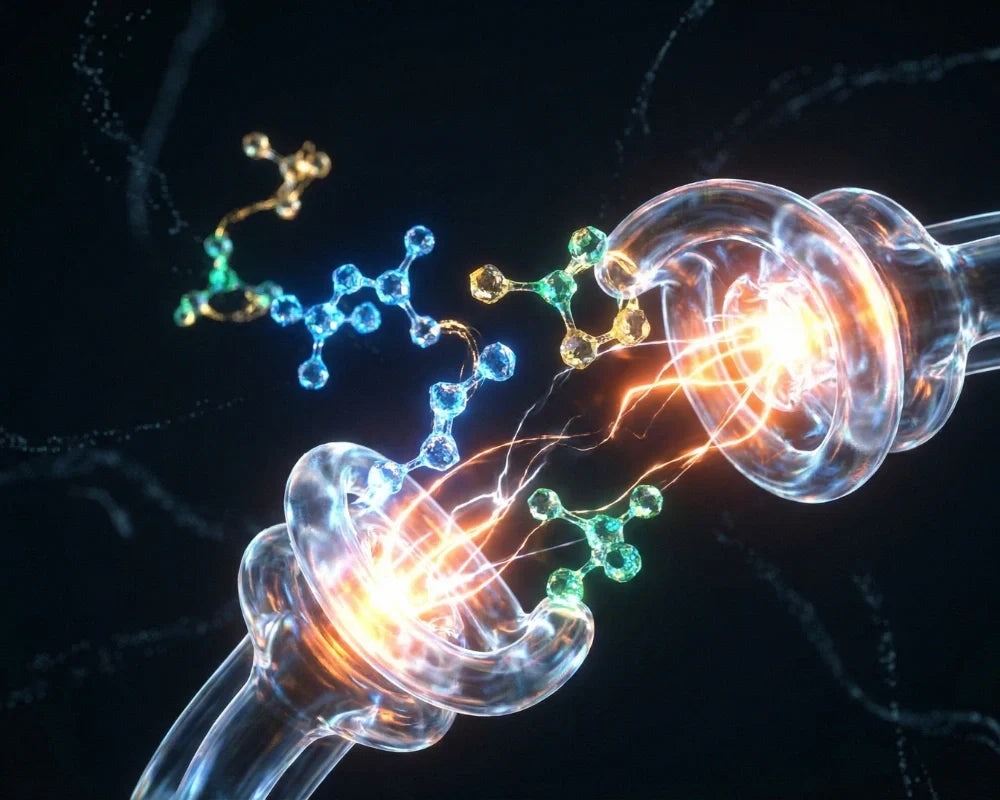
Every cannabinoid has a chain of carbon atoms attached to its core molecular structure. This side chain is what allows the cannabinoid to connect with CB1 receptors in the brain. The length of the chain directly influences how strongly the molecule binds to those receptors.
Regular delta-9 THC has a five-carbon alkyl side chain. THCp has a seven-carbon chain. Those two extra carbon atoms allow THCp to latch onto CB1 receptors with dramatically greater affinity — like a key that fits the lock far more precisely and holds on tighter. The 2019 research paper that discovered THCp found it binding to CB1 receptors approximately 33 times more effectively than standard THC in laboratory conditions.
Important clarification: "33x more active at CB1 receptors" does not mean you get 33x higher. Receptor binding affinity is one factor in a complex biological process. In real-world experience, THCp is significantly more potent than THC — but the effect is more like 5–10x stronger in practice, not 33x. The distinction matters for dosing.
What Does THCp Actually Feel Like?
The THCp experience is characterized by deeper intensity and longer duration compared to a standard THC high. Users commonly describe:
- Strong full-body and cerebral euphoria — more immersive than standard THCa or THC products
- Pronounced physical relaxation — heavy, sedating body effect, especially at higher doses
- Longer duration — effects from THCp vapes typically last 4–6 hours, significantly longer than THCa flower or standard vapes
- Slower build — THCp can have a slightly more gradual onset than THC, with effects continuing to intensify for 30–60 minutes after consumption
- Higher risk of overconsumption — because of the delayed build, new users often underestimate the dose before the full effect arrives
⚠️ Start extremely low. THCp is not a beginners' cannabinoid. If you've never tried it before, take one small draw, then wait at least 30–45 minutes before taking more. The effect builds more slowly than THCa products and can become intense quickly. There is no rush — going slowly is the only sensible approach.
THCp vs THCa — Key Differences
| Feature | THCa | THCp |
|---|---|---|
| Origin | Naturally abundant in hemp | Trace amounts in plant; synthesized from CBD for commercial use |
| Psychoactive raw? | No — requires heat | Yes — already active |
| CB1 receptor binding vs THC | Similar (after conversion) | Up to 33x higher affinity |
| Potency level | Strong — equivalent to THC | Very strong — significantly more intense |
| Duration | 1.5–3 hours | 4–6+ hours |
| Research depth | Extensive | Limited — discovered in 2019 |
| Good for beginners? | Yes — with care | No — experienced users only |
| US legal status | Federally compliant (hemp-derived, <0.3% Δ9) | Federally compliant (hemp-derived, <0.3% Δ9) — state laws vary |
THCp Products Available in the US
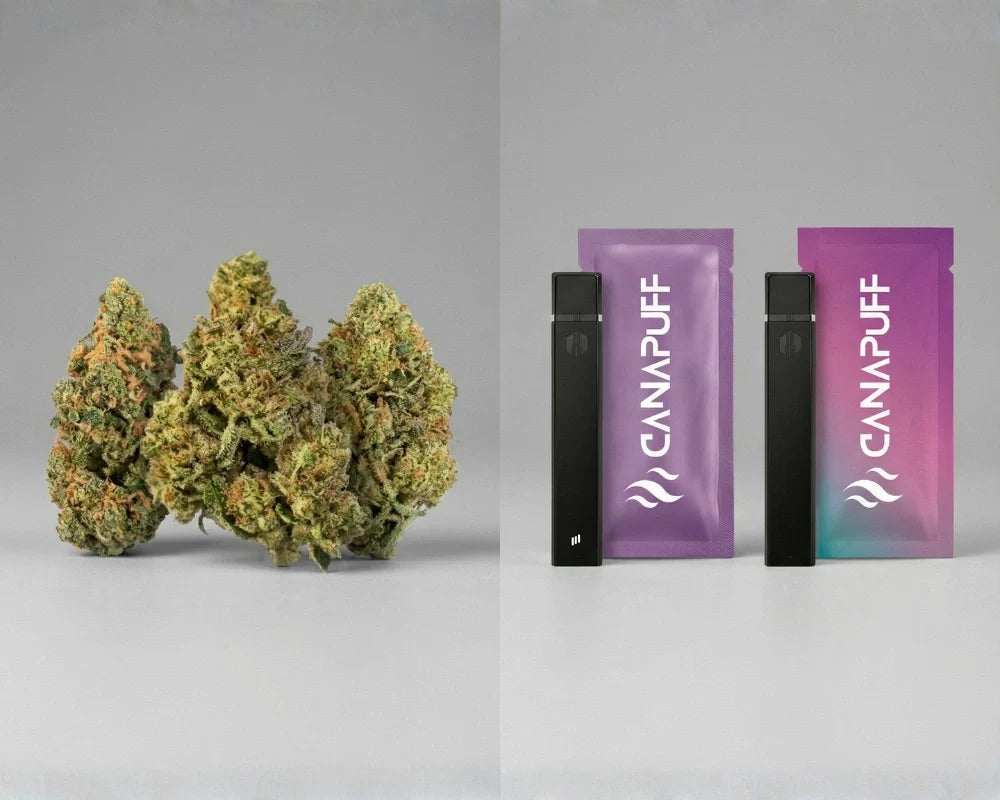
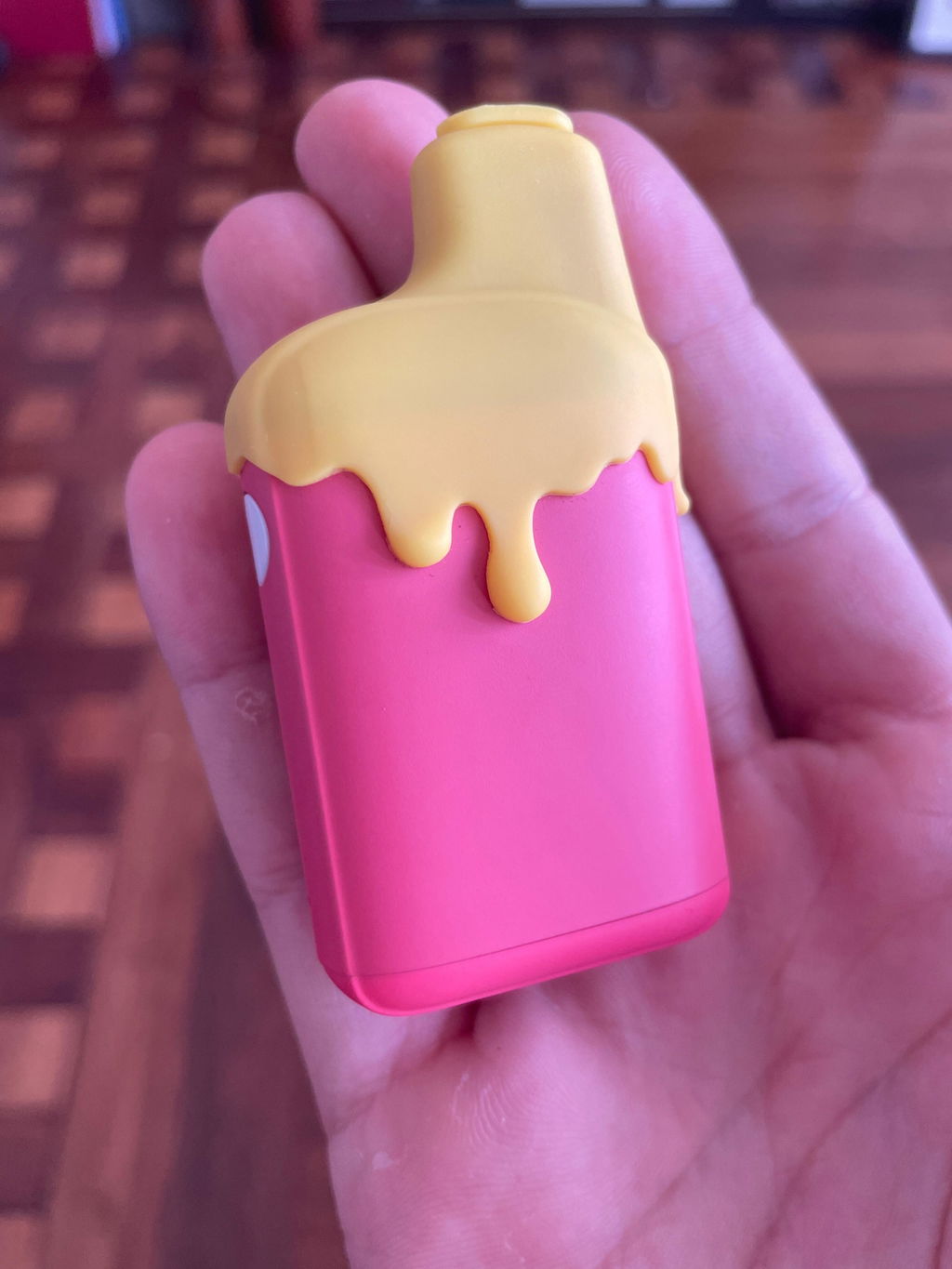
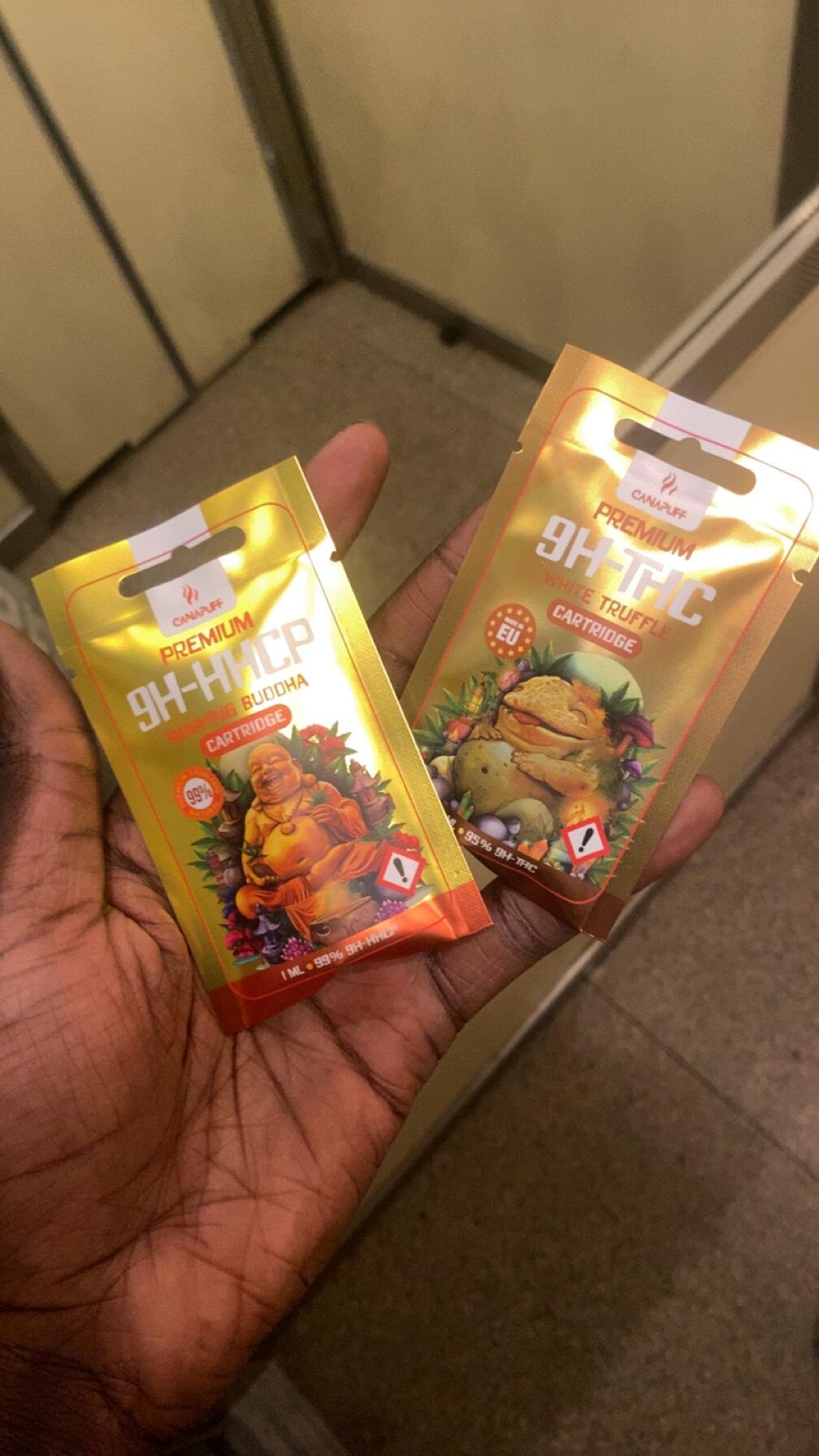
Because THCp is too potent to use alone at high concentrations in most products, it is most commonly blended with THCa or other cannabinoids in vape products. Canapuff's THCp disposable vape line — including Blue Slurpicana (Sativa), Berry ZKZ Belts (Hybrid), Lemon Kushlato (Indica), and Northern Lights-style Indica blends — combines THCa and THCp into 1-gram disposable pens calibrated for a balanced, powerful experience.
This blended approach gives consumers the best of both: THCa provides the familiar, well-understood cannabis effect, while THCp adds depth and extended duration. The result tends to feel more powerful and longer-lasting than a THCa-only vape, without being as overwhelming as pure THCp would be at comparable concentrations.
Is THCp Legal in the United States?
Hemp-derived THCp is federally compliant under the 2018 Farm Bill provided the final product contains less than 0.3% delta-9 THC by dry weight. Because THCp is a different molecule from delta-9 THC, it is not currently scheduled as a controlled substance at the federal level.
However, the legal landscape for novel hemp-derived cannabinoids is evolving. Some states have enacted broader restrictions on intoxicating hemp cannabinoids that may affect THCp availability in those markets. Additionally, federal hemp policy discussions continue — buyers should stay informed about regulations in their specific state.
Does THCp Show Up on Drug Tests?
Yes. There is currently no standard drug test that distinguishes between THC, THCp, or other cannabinoid metabolites. If you consume THCp, assume a positive result on any standard urine or blood THC test. The metabolite window for THCp may actually be longer than for regular THC due to its stronger receptor binding and lipid solubility. If drug testing is a possibility in your life, avoid all THCp products.
Who Is THCp For?
THCp is for experienced cannabis consumers who have a solid baseline familiarity with high-potency THCa products and want a more intense, longer-lasting experience. It is not for beginners. It is not suitable for daytime use for most people. It is best approached with significant respect, in a safe and comfortable environment, with nothing important scheduled for the following several hours.
If you are new to hemp products in general, start with THCa flower or a standard THCa disposable vape. Build your familiarity and tolerance there before stepping into THCp territory.
Frequently Asked Questions
Is THCp natural or synthetic?
THCp is a naturally occurring cannabinoid found in the cannabis plant — but only in trace amounts not suitable for direct extraction at commercial scale. The THCp in commercial products is typically produced through a lab-based chemical conversion of hemp-derived CBD. The molecule itself is not synthetic — it's identical to what the plant produces naturally — but the production method is lab-assisted rather than direct extraction.
Can THCp cause anxiety or paranoia?
Yes, at high doses or in sensitive individuals. Because THCp binds to CB1 receptors with much greater affinity than THC, overconsumption can lead to intensified versions of the same side effects associated with too much THC — anxiety, racing thoughts, rapid heartbeat, and disorientation. This is why starting with a single small puff and waiting 45 minutes is non-negotiable with THCp products.
What's the difference between a THCp vape and a THCa vape?
A THCa vape contains primarily THCa extract that converts to standard THC when vaped. A THCp vape — or a blend like Canapuff's THCp disposable line — contains THCp alongside THCa, delivering a significantly stronger and longer-lasting effect. If you're used to THCa vapes, expect a THCp product to feel noticeably more potent at the same number of draws.
How long do THCp effects last?
Typically 4–6 hours from a vape, sometimes longer depending on dose and individual metabolism. This is considerably longer than the 1.5–2 hour window typical of standard THCa vapes. Plan your session accordingly — THCp is not a product to use casually before an event or obligation.
This article is for general informational purposes only and does not constitute legal or medical advice. All Canapuff hemp products contain less than 0.3% delta-9 THC. These statements have not been evaluated by the Food and Drug Administration. This product is not intended to diagnose, treat, cure, or prevent any disease. THCp products are not suitable for beginners. Always consume responsibly.
Leave a comment
This site is protected by hCaptcha and the hCaptcha Privacy Policy and Terms of Service apply.