
Table of contents
- The Fundamentals: What's Happening Chemically ›
- Bioavailability: Which Method Delivers More THC ›
- Terpene Preservation: The Flavor and Entourage Effect Difference ›
- The Smoking Experience: What It Has That Vaping Doesn't ›
- Side-by-Side Comparison ›
- What About Vape Pens vs. Dry Herb Vaporizers? ›
- Temperature Settings in Dry Herb Vaping: The Quick Guide ›
- Who Should Smoke ›
- Who Should Vape ›
- Frequently Asked Questions ›
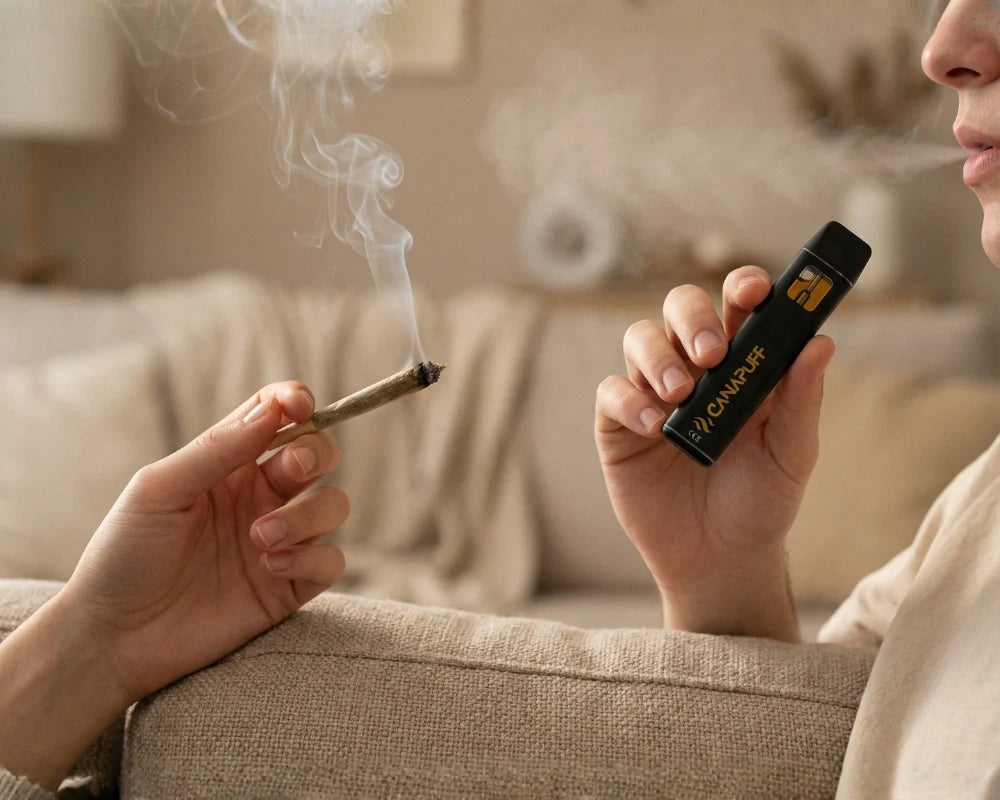
Every session with Canapuff flower starts with the same decision: reach for the pipe, roll a joint, or load the dry herb vaporizer. It seems like a minor choice, but the method you use to consume THCa flower genuinely affects how much active THC reaches your bloodstream, how the terpenes present, how the experience feels, and — over time — what it costs your lungs. This isn't one of those comparisons where one option clearly wins. Smoking and vaping serve different users and different contexts, and both have real advantages the other doesn't.
Here's the honest breakdown of both methods across every dimension that actually matters.
The Fundamentals: What's Happening Chemically
Both smoking and vaping accomplish the same essential task: applying heat to THCa flower to trigger decarboxylation — the conversion of non-psychoactive THCa into active delta-9 THC — and then delivering that THC to the lungs for absorption.
The critical difference is the temperature and the combustion state:
- Smoking involves combustion — you're burning the flower at temperatures around 900–1,000°F (480–540°C). At these temperatures, you're not just vaporizing cannabinoids and terpenes; you're also burning plant material and producing combustion byproducts: carbon monoxide, polycyclic aromatic hydrocarbons (PAHs), benzene, and other compounds associated with respiratory harm. These are the same categories of toxicants found in cigarette smoke. Research consistently links regular cannabis smoking to increased risk of chronic bronchitis and respiratory symptoms. The THC delivery is fast and the ritual is classic — but you're inhaling smoke, not just vapor.
- Vaping heats flower to 350–430°F (177–220°C) — hot enough to vaporize cannabinoids and terpenes, but below combustion temperature. You're converting THCa to THC and inhaling a vapor of cannabinoids, terpenes, and moisture — without burning the plant. A 2026 PubMed-published review specifically confirmed that vaping reduces exposure to combustion-related toxicants compared to smoking. Both methods produce acute increases in heart rate and there are documented risks with vaping, but the respiratory toxicant load is substantially lower without combustion.
Bioavailability: Which Method Delivers More THC
Vaping is the more efficient delivery method, and the gap is meaningful:
- Smoking bioavailability: estimated 20–30% of available THC actually reaches the bloodstream. Approximately 37% of cannabinoids are destroyed by combustion heat before reaching the lungs. Additional losses occur through sidestream smoke and inefficient draw technique.
- Vaping bioavailability: estimated 30–40%, with some research suggesting higher in optimal conditions. The lower temperatures preserve more cannabinoids rather than combusting them, and more of what's inhaled reaches the alveoli in a form the body can absorb.
The practical translation: Vaping a given amount of flower typically produces stronger effects than smoking the same amount — which means you use less product to achieve the same result. Research suggests vaporizing can offer 30–40% more cannabinoid absorption than smoking. If you switch from smoking to vaping, start conservatively and adjust — the dose equivalence isn't 1:1.
Terpene Preservation: The Flavor and Entourage Effect Difference
This is where vaping's advantage is most noticeable to any experienced user. Terpenes — the compounds responsible for the distinct aroma and flavor of each strain, and the key contributors to the entourage effect — begin vaporizing at relatively low temperatures (many between 150–200°F/65–93°C). Combustion at 900–1,000°F destroys most terpenes before they can be inhaled.
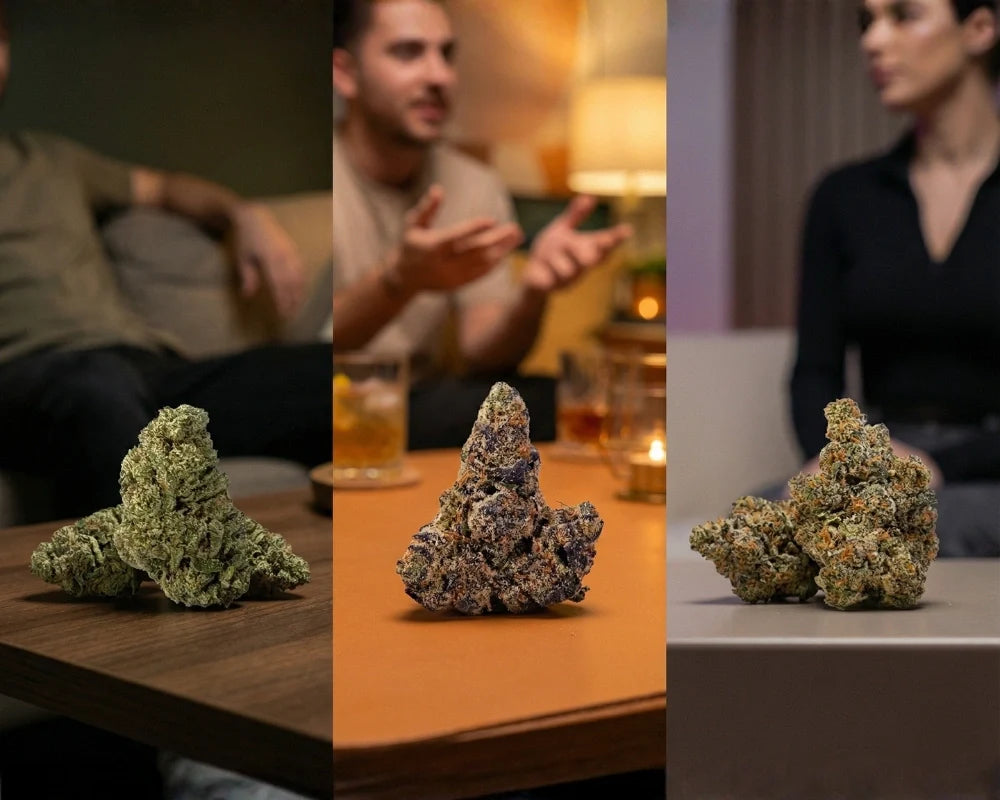
Vaping at lower temperatures (350–385°F/177–196°C) preserves the majority of the terpene profile, delivering far more of the strain's characteristic aromatics into the vapor. The result: the citrusy punch of Sour Tangie, the sweet vanilla of Ice Cream Cake, the earthy diesel of Gorilla Glue — all significantly more vivid and pronounced when vaped than when smoked. Users new to vaping their usual flower are often surprised by how different (and more complex) the flavor is compared to what they experienced when smoking the same strain.
For users who are specifically interested in the terpene-driven differentiation between strains, a dry herb vaporizer is the highest-fidelity delivery method. The strain profile that a grower worked to develop expresses itself most fully through vapor.
The Smoking Experience: What It Has That Vaping Doesn't
Despite vaping's technical advantages, smoking retains real and legitimate appeal for a substantial portion of cannabis users — and it's worth being honest about why:
- No equipment required: A pipe, papers, or a bong — any of which costs a few dollars — is all you need. No battery charging, no temperature settings, no loading chamber, no cleaning session. There's a frictionlessness to smoking that vaping, however efficient, never quite matches.
- The ritual: Rolling a joint, packing a bowl, sharing around a circle — smoking cannabis has a tactile and social ritual quality that matters to many users. It's a deliberate, sensory experience. Vaping is often experienced as more clinical and utilitarian by comparison.
- The "kick" of combustion: Some users specifically prefer the dense, immediate impact of smoke over vapor. Vapor can feel lighter, even when the bioavailability data says it's delivering more THC. The subjective experience of taking a draw from a pipe or joint has a different character than vapor — and some users consistently prefer it.
- Immediate availability: No preheat time, no battery check, no temperature ramp-up. Grind, pack, light. The simplicity matters in casual or social contexts.
- Lower upfront cost: A quality dry herb vaporizer ranges from $100 (entry-level portables) to $400+ (desktop convection vapes). Papers and a lighter cost almost nothing. For users who aren't sure they want to invest in equipment, smoking is the accessible starting point.
Side-by-Side Comparison
| Smoking | Vaping (Dry Herb) | |
|---|---|---|
| Temperature | 900–1,000°F — combustion | 350–430°F — vaporization, no combustion |
| Bioavailability | ~20–30% — combustion destroys ~37% of cannabinoids | ~30–40% — more efficient cannabinoid extraction |
| Terpene preservation | Poor — most terpenes destroyed by combustion heat | Excellent — lower temps preserve aroma and flavor compounds |
| Respiratory exposure | Smoke + combustion byproducts (PAHs, CO, benzene) | Vapor only — significantly reduced combustion toxicant exposure |
| Onset speed | Immediate — first exhale | Immediate — first exhale (after 30–60 sec preheat) |
| Odor | Strong, persistent, lingers on clothes and room | Light, dissipates quickly, less fabric penetration |
| Equipment cost | Minimal — papers/pipe cost a few dollars | $100–$400+ for a quality dry herb vaporizer |
| Convenience | Simple — no charging, no settings, grind and light | More setup — preheat, load, clean chamber periodically |
| Product efficiency | Lower — loses cannabinoids to sidestream and combustion | Higher — more of your flower's content reaches you |
| Social/ritual quality | Traditional — passing a joint has cultural weight many users value | More modern/utilitarian — less ritual, more precision |
What About Vape Pens vs. Dry Herb Vaporizers?
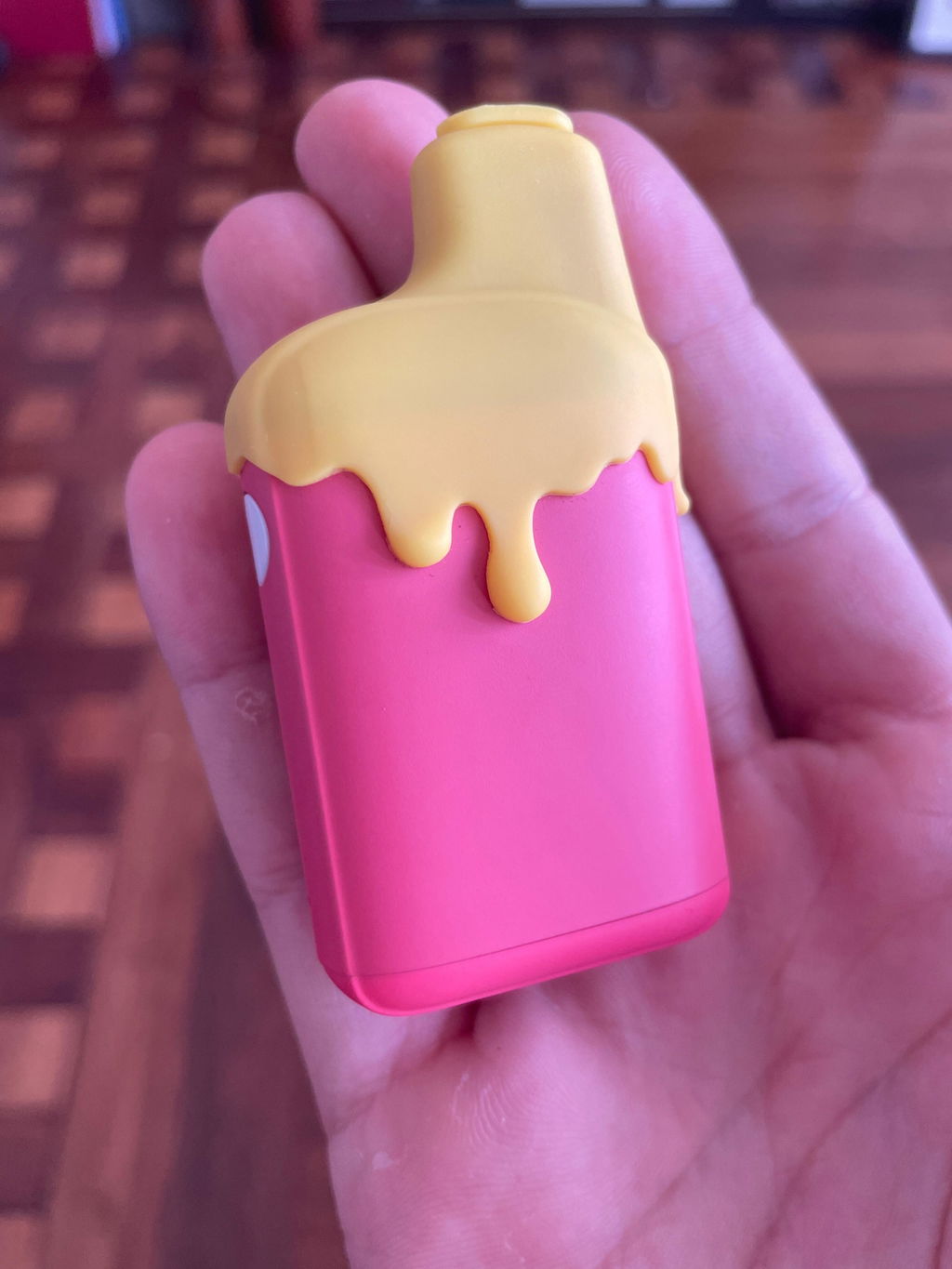
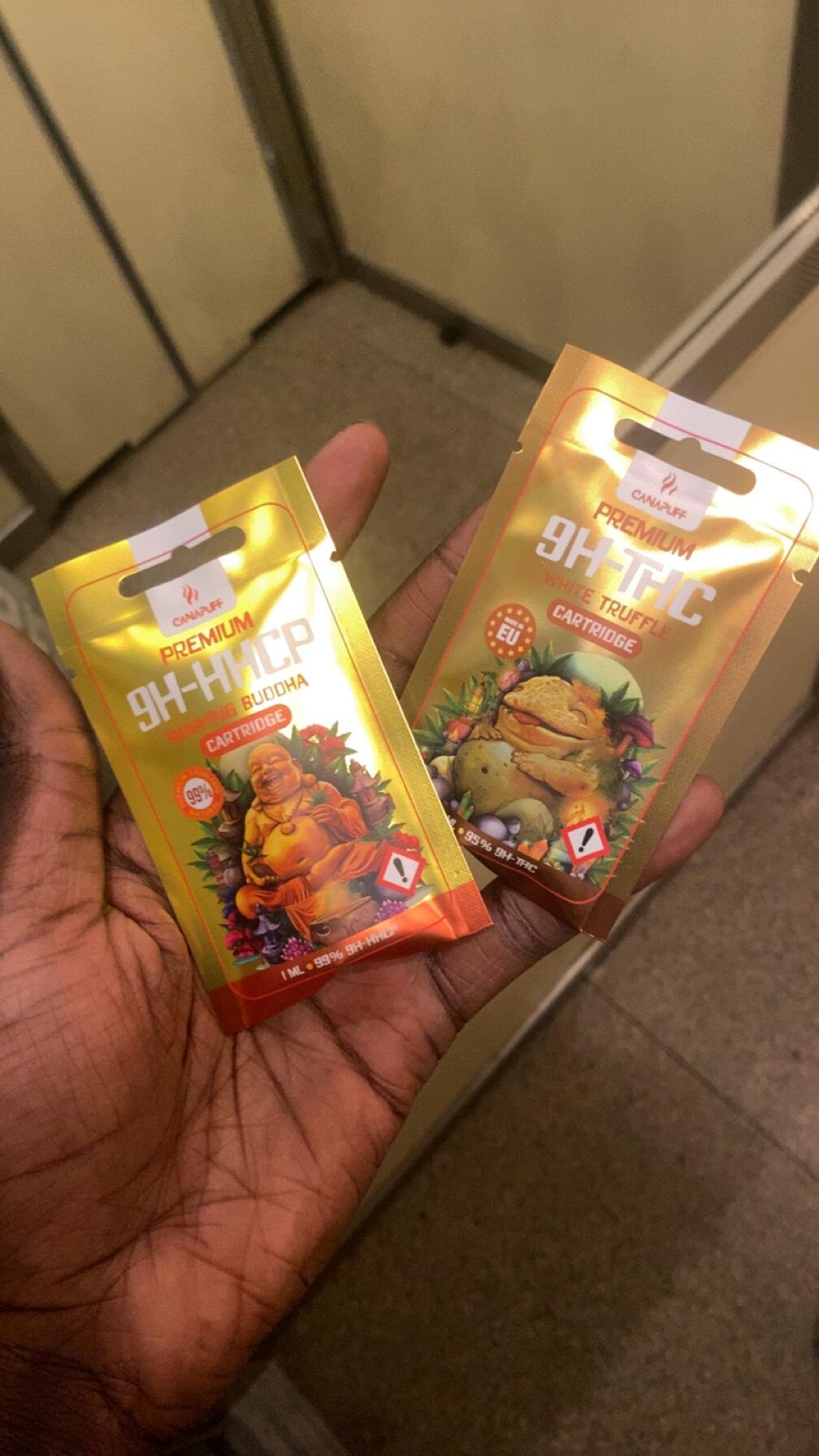
This comparison covers smoking flower versus vaporizing flower in a dry herb device. Canapuff's THCa and THCp vape products are a distinct category — pre-filled disposable vape pens containing concentrated THCa or THCp oil. These are different from dry herb vaping in several ways:
- Pre-filled vape pens use extracted concentrate, not whole flower — no grinding or loading required
- Onset and effects are essentially equivalent to dry herb vaping (both are inhalation-based)
- The experience is more discreet and portable than either smoking or a dry herb setup
- Flavor profile reflects the specific terpenes added to the oil rather than the full whole-plant profile
If you're choosing between Canapuff's flower and Canapuff's vapes as product categories, the compare post "THCa Flower vs THCa Vapes — Which is Better?" covers that specific decision in detail.
Temperature Settings in Dry Herb Vaping: The Quick Guide
If you're using a dry herb vaporizer with temperature control, your setting significantly shapes the experience:
- Low (350–370°F / 177–188°C): Maximum terpene preservation. Light, flavorful vapor. All of the strain's aromatic character. Good for savoring a specific strain's profile or for lighter, more controlled sessions.
- Medium (370–400°F / 188–204°C): Balanced terpene-to-cannabinoid extraction. Good all-around option. More vapor production with full cannabinoid delivery.
- High (400–430°F / 204–220°C): Maximum cannabinoid extraction. Denser, more robust vapor. Less terpene nuance. For maximum effect from a given quantity of flower.
Who Should Smoke
- You value the ritual and social experience of passing a joint or packing a bowl
- You don't want to invest in a vaporizer
- You're using cannabis occasionally and the efficiency difference doesn't matter to you
- You specifically prefer the character of combustion smoke over vapor
- You're in a casual, outdoor, or social setting where simplicity is the priority
Who Should Vape
- You want the maximum flavor expression from a premium strain — especially important with Exotic-tier flower where terpene profiles are part of what you're paying for
- You want to stretch your flower budget further — higher bioavailability means each gram goes further
- You want to reduce your respiratory exposure to combustion byproducts
- Discretion matters — vaping produces less odor and the smell dissipates faster
- You appreciate temperature control to shape the experience
Frequently Asked Questions
Is vaping always smoother than smoking?
Generally, yes — vapor is less irritating to the throat and lungs than combustion smoke for most users. However, some dry herb vaporizers produce harsh vapor at high temperatures, and some users find even vapor irritating at certain settings. At medium temperature settings on a quality device, most users find vaping noticeably smoother than smoking the same flower.
If vaping is more efficient, should I use less flower?
Yes, particularly if you're switching from smoking. A standard smoking session's worth of flower will produce a more potent experience when vaped due to higher bioavailability. If you're new to dry herb vaping, use roughly 30–40% less flower than your usual smoking amount for your first few sessions and calibrate from there.
Does the method affect drug test detection?
No. Both smoking and vaping THCa flower produce delta-9 THC metabolites (THC-COOH) that are detected by standard urine drug screens. The consumption method doesn't change what metabolites are produced or how long they're detectable. Detection windows depend on frequency of use and individual metabolism, not on whether you smoked or vaped.

Leave a comment
This site is protected by hCaptcha and the hCaptcha Privacy Policy and Terms of Service apply.