
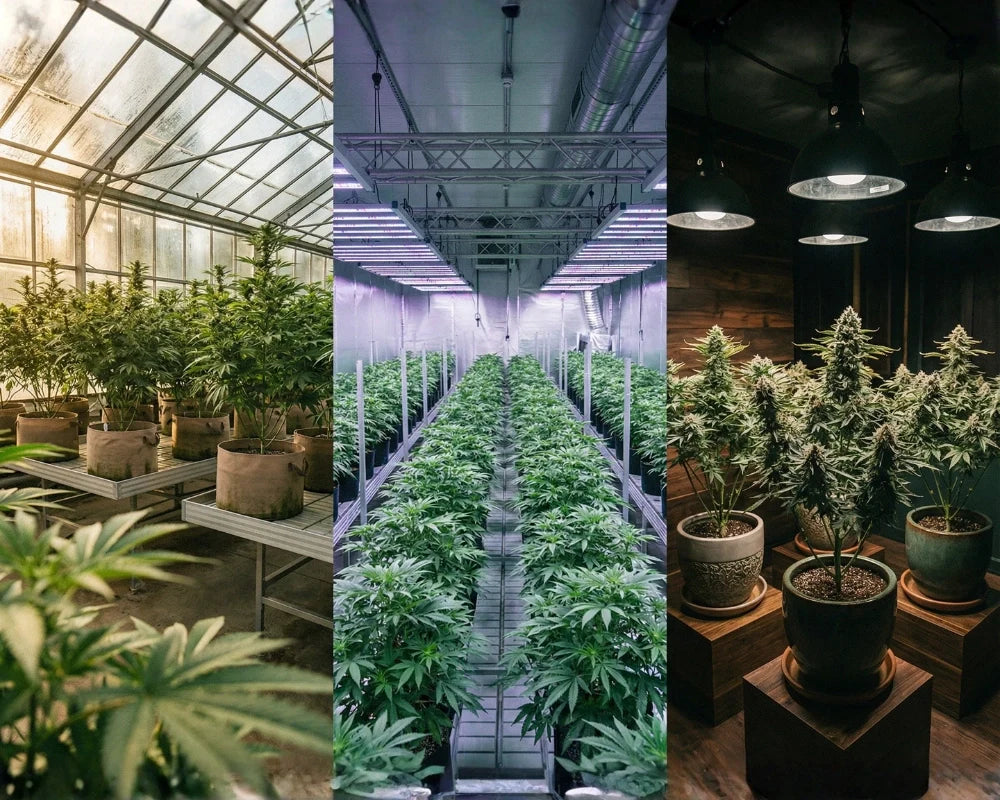
Walk through Canapuff's product lineup and you'll notice three tiers of flower: Greenhouse, Indoor, and Exotic. Every tier comes from the same species. Every tier converts to active THC when heated. And yet the difference between a $20 greenhouse eighth and a $40 exotic eighth is real, meaningful, and worth understanding before you spend your money.
This guide breaks down every variable that separates the three tiers — growing environment, terpene development, bag appeal, potency, consistency, and how each translates into the actual experience in the jar. No filler. Just the differences that actually matter when you're choosing between them.
The Foundation: What Growing Conditions Actually Change
Cannabis is a light-hungry, environment-sensitive plant. The conditions it grows in — the spectrum and intensity of light, the temperature range, humidity levels, airflow, soil or growing medium, and how all of these are controlled — directly shape the plant's biochemistry. Specifically, they influence two things most relevant to the experience in the jar: terpene concentration and complexity, and cannabinoid density and consistency.
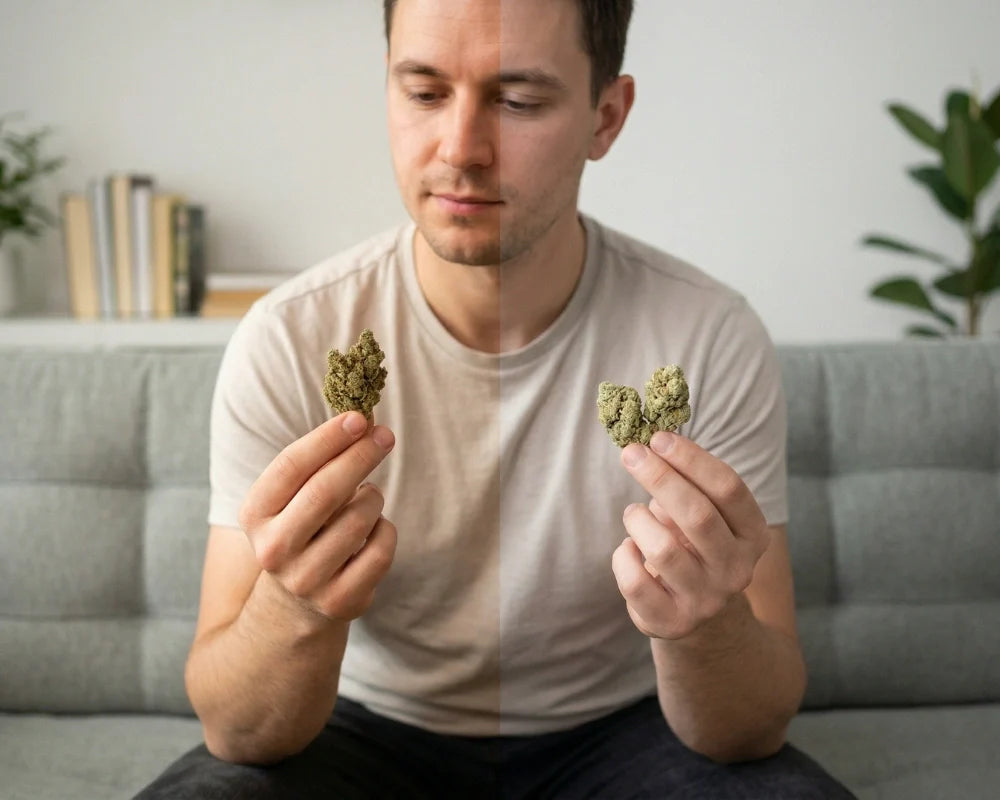
Growing method also determines bag appeal — the density, trichome coverage, color, and structure of the bud — which is a real quality indicator, not just aesthetics. Dense trichome coverage is where the cannabinoids and terpenes are concentrated. Visual quality and chemical quality are correlated, not coincidental.
Tier 1: Greenhouse THCa Flower — From $20
How it's grown
Greenhouse cultivation uses natural sunlight as the primary light source, filtered through translucent covering that also provides weather protection, temperature regulation, and pest barriers. Modern high-quality greenhouses incorporate supplemental LED lighting, automated climate control systems, and light deprivation techniques (blackout curtains that control the photoperiod) to trigger and manage flowering cycles precisely.
The key characteristic of greenhouse cultivation is the combination of natural solar spectrum — which no artificial lighting system fully replicates — with the consistency benefits of a controlled enclosure. Plants get true full-spectrum sunlight during their growth and canopy development, while environmental risks are managed through the structure.
What it produces
Greenhouse flower occupies the quality middle ground. Terpene profiles can be excellent — the full solar spectrum encourages complex terpene development that pure artificial grow rooms sometimes struggle to match. Many cannabis connoisseurs actually prefer the terpene complexity of well-executed greenhouse grows over artificial-light indoor, arguing that the sun produces more "authentic" aromatic expression.
The trade-off versus indoor is consistency. Weather variation, seasonal light changes, and the inherent variability of natural systems mean batch-to-batch consistency is harder to achieve in greenhouse environments than in fully controlled artificial grows. The best greenhouse operators use supplemental lighting and climate management to narrow this gap, but some variation remains across seasons and harvests.
Potency in Canapuff's greenhouse tier runs approximately 18–22% THCa — solid, functional, and more than sufficient for experienced users. For new or occasional consumers, greenhouse is often the most appropriately calibrated starting tier.
Canapuff greenhouse strains
Gorilla Glue (Indica Hybrid) — Heavy-hitting, earthy, body-relaxing. Caryophyllene and myrcene forward. One of the most trusted indica hybrid profiles in modern cannabis, renowned for sedative body effect and mood elevation. At $20 per eighth, it represents exceptional value for what it delivers.
Pink Runtz (Hybrid) — Candy-sweet, bright, euphoric. Limonene and caryophyllene notes, balanced indica-sativa character. Often called Canapuff's most accessible strain because its pleasant sweetness and balanced high suit a wide range of users. Best-selling greenhouse strain for good reason.
Best for:
Everyday use, value-focused buyers, new users finding their footing, anyone who wants a reliable nightly strain without the premium price tag, and bulk buyers who consume frequently enough that exotic pricing becomes impractical.
Tier 2: Indoor THCa Flower — From $35
How it's grown
Indoor cultivation means full environmental control — no natural light, no outdoor variables. LED or HID grow lights replace the sun with programmable spectrum and intensity. Temperature, humidity, CO₂ concentration, airflow, and nutrient delivery are all dialed in to precise parameters and maintained consistently 24/7. The growing medium (soil, coco coir, hydroponics, aeroponics) is controlled. Pest and pathogen exposure is minimized through controlled-access clean rooms.
The result is that every single variable affecting plant biochemistry is managed rather than allowed to vary. If a specific light schedule, temperature range, and humidity level consistently produces the best cannabinoid and terpene expression in a given cultivar, that exact condition can be replicated batch after batch, year-round regardless of season.
What it produces
Indoor flower is defined by consistency and density. The tight bud structure and frosted trichome coverage that characterizes premium cannabis is easier to achieve and reliably reproduce under controlled artificial growing conditions. Terpene profiles are strong and reliable — not always as dynamically complex as the best greenhouse harvests, but more consistent from batch to batch.
Potency in Canapuff's indoor tier runs 22–26% THCa — a meaningful step up from greenhouse, particularly noticeable for users with established tolerance. The experience profile is also tighter: when you know what Lemon Cherry Gelato is supposed to deliver, indoor growing gives you a more reliable reproduction of that profile every time you open a new jar.
Indoor also enables cultivation of more demanding genetics — strains that require very specific environmental parameters or wouldn't perform in a greenhouse are viable in fully controlled indoor rooms.
Canapuff indoor strains
Ice Cream Cake (Indica Hybrid) — Sweet, creamy, profoundly relaxing. Linalool and caryophyllene dominant. One of the most celebrated modern indica hybrids. The linalool profile makes this particularly good for anxiety and sleep contexts. Dense, visually striking buds with heavy trichome coverage.
Lemon Cherry Gelato (Indica Hybrid) — Bright citrus meeting sweet gelato cream. Limonene, myrcene, caryophyllene. A complex flavor profile that's become one of the most sought-after modern strains. Euphoric, mood-elevating with physical relaxation. Consistently among Canapuff's highest-rated products by customers who've tried both tiers.
Sour Tangie (Sativa Hybrid) — Zesty orange-sour, creative, energizing. Terpinolene and limonene prominent. A sativa-dominant choice for daytime focus, creative work, and social situations without the heavy body effect of the indica options.
Best for:
Users who've tried greenhouse and want a noticeable upgrade, anyone seeking specific, repeatable effects from a particular strain, those who appreciate the aesthetics and bag appeal of premium bud, and regular users who want more potency without stepping into exotic pricing.
Tier 3: Exotic THCa Flower — From $40
How it's grown
Exotic flower represents the top tier of indoor cultivation — but with an important additional layer. The "exotic" designation reflects both the quality of cultivation and the rarity of the genetics. These are strains developed through selective breeding programs targeting specific, exceptional terpene and cannabinoid expressions. The growing environments are premium indoor with additional attention to small-batch cultivation techniques: individual plant training, extended cure times, hand-trimming, and careful post-harvest handling that preserves the delicate trichome structures and volatile terpene compounds.
The extended cure time alone — properly cured exotic flower is typically cured for 4–8 weeks versus 2–4 weeks for standard indoor — allows terpenes to fully develop and harshness to mellow in ways that faster-processed flower doesn't achieve. When you open a jar of well-cured exotic flower, the aroma is distinctly more developed, more layered, and more intense than even quality standard indoor.
What it produces
Exotic flower sets the ceiling for the at-home cannabis experience. Potency in Canapuff's exotic tier runs 25–30%+ THCa. The visual presentation — jar appeal, bud structure, frost coverage — is at the level of top-shelf dispensary cannabis. The terpene intensity is the most pronounced of the three tiers.
The more important distinction isn't just the higher percentages — it's the uniqueness and complexity of the cultivar profiles. Exotic strains are bred for specific, distinctive experiences that don't exist in more common strain libraries. You're not just getting more of what greenhouse delivers — you're getting something genuinely different in character.
Canapuff exotic strains
Frosty OG (Indica) — Pure indica, intensely sedative. The name is earned — trichome coverage is visually remarkable, and the effect profile reflects it. Heavy, long-lasting, deep body relaxation with significant THCa potency. The go-to exotic for sleep support and serious pain/tension relief.
Jealousy (Hybrid) — One of the most talked-about modern genetics. Complex berry and creamy dessert nose, balanced euphoric high with physical warmth. The kind of strain that makes experienced cannabis users understand why rare genetics command premium pricing.
Space Junky (Sativa Hybrid) — Energizing, creative, cerebral. The exotic sativa option for daytime stimulation, creative projects, and social energy. Terpene complexity in the limonene and terpinolene range with a distinctive fuel-candy character.
Best for:
Special occasions, strain connoisseurs who appreciate unique genetics, users with high tolerance who need the ceiling that exotic potency provides, anyone making a gift purchase, or simply whenever you want the absolute best experience in the jar.
The Quality Jump: Where the Money Goes
Important framing: The biggest quality jump per dollar in cannabis is typically from greenhouse to indoor — not from indoor to exotic. If you've been buying greenhouse and want to understand what you're missing, the step to indoor is where most users notice the most significant change. The step from indoor to exotic produces a real but more subtle quality increment that matters most to experienced users who've already explored the indoor tier.
Greenhouse → Indoor jump (what changes):
- Noticeably more consistent potency batch to batch
- More developed, reliable terpene expression per strain
- Better bud structure — denser, more visually impressive
- More precise strain-specific character (Lemon Cherry Gelato consistently tastes and effects as expected)
Indoor → Exotic jump (what changes):
- More unique, rare genetic profiles not available in standard indoor
- Higher ceiling on THCa potency (25–30%+ vs 22–26%)
- More developed terpene intensity from extended cure times
- Premium visual presentation — jar appeal that's noticeably superior
- The "this is something special" quality that only rare genetics and meticulous cultivation produce
How to Choose
| If you... | Start with... |
|---|---|
| Are new to THCa flower or cannabis in general | Greenhouse — approachable potency, excellent value, Pink Runtz is the ideal starting point |
| Use flower regularly and want reliable, quality strain experiences | Indoor — the consistency and strain fidelity is where it earns its price |
| Want the absolute best quality, unique genetics, or are buying for a special occasion | Exotic — the ceiling of what available flower provides |
| Have high tolerance and need maximum potency | Exotic — 28–30%+ THCa is where high-tolerance users find meaningful effect |
| Are buying in bulk for daily use | Greenhouse — the value proposition at everyday volume is hard to beat |
| Want to try both and decide for yourself | Greenhouse + Indoor sampler — buy a Pink Runtz (GH) and Lemon Cherry Gelato (Indoor) and compare them directly. Most buyers immediately understand the difference after this experience. |
Frequently Asked Questions
Is exotic always better than indoor?
For most users at most times, indoor is the better value. Exotic is "better" in the sense that it represents the ceiling of what's available — but whether that ceiling matters depends entirely on your tolerance, your experience level, and what you're looking for. An experienced user who's burned through greenhouse and indoor and wants something genuinely unique will appreciate exotic. A daily moderate user who's found their preferred indoor strain may not need to go further.
Does growing method affect the drug test result?
No. THCa from any grow tier converts to the same delta-9 THC through decarboxylation, which produces the same THC-COOH metabolites on standard drug screens. The tier doesn't affect detectability — only the amount consumed and the timeline since last use matter for drug test purposes.
Why does greenhouse sometimes have better terpenes than indoor?
Natural sunlight provides a full solar spectrum that artificial grow lights don't fully replicate. Some terpene precursors are triggered by UV and IR wavelengths of sunlight that LED systems approximate but don't duplicate exactly. This is why some cannabis connoisseurs specifically seek out greenhouse-grown flower for certain aromatic profiles — not despite the "lower" tier designation, but because of the natural light influence on terpene expression. The best greenhouse harvests can genuinely rival indoor on terpene complexity, even if indoor wins overall on consistency.

Leave a comment
This site is protected by hCaptcha and the hCaptcha Privacy Policy and Terms of Service apply.